
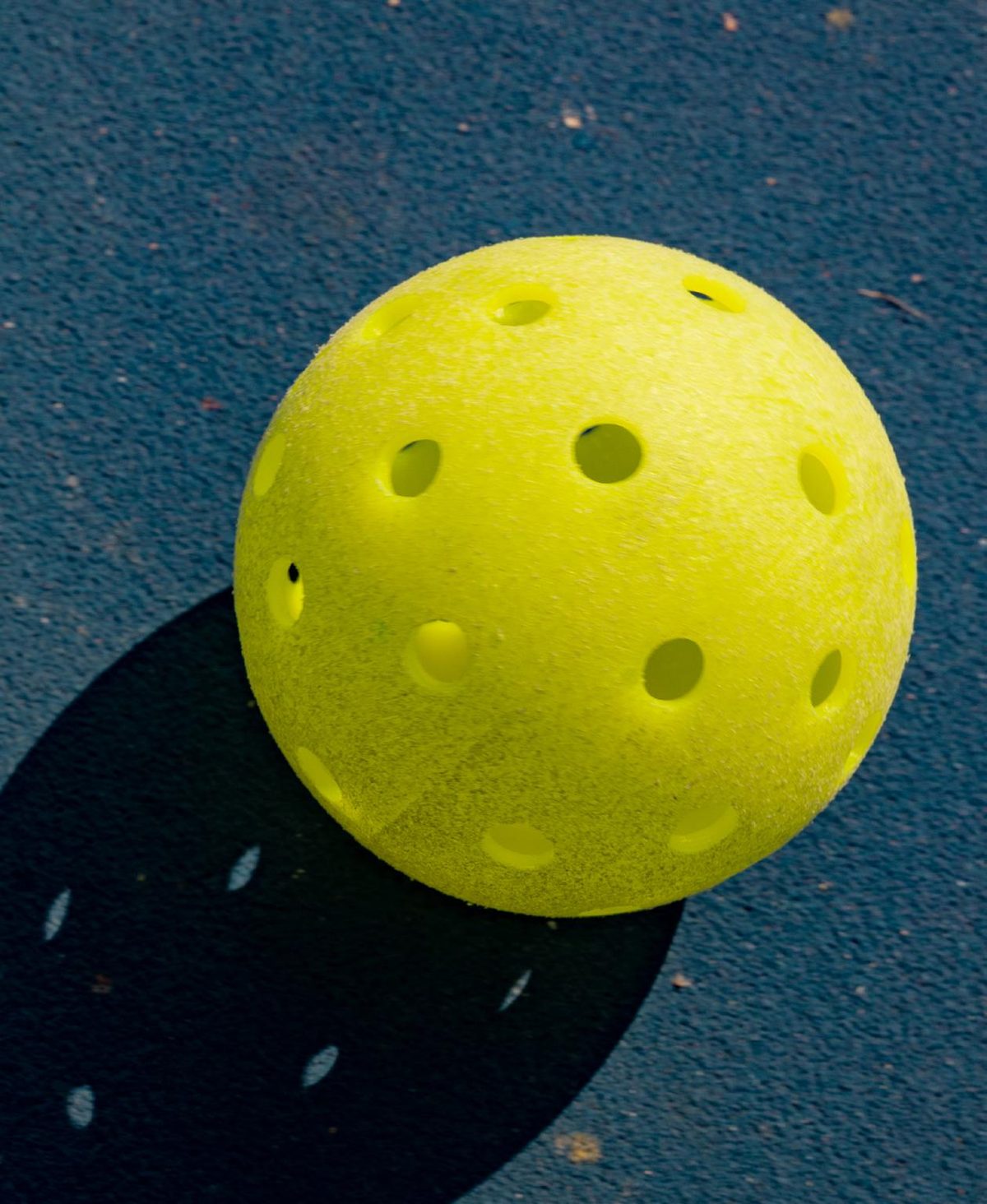
Indoor and outdoor pickleballs look almost identical — same size, same bright colours, same holes. But they play completely differently, and using the wrong one is the most common equipment mistake new players make.
The difference comes down to holes, weight and plastic. This guide explains what each ball is built for, what happens when you mix them up, and which balls to buy for your courts.
The short answer
| Indoor balls | 26 larger holes · lighter (~26 g) · softer, slower flight |
| Outdoor balls | 40 smaller holes · heavier · harder, faster, wind-resistant |
| Best indoor | Franklin X-26 — built for gym floors |
| Best outdoor | Franklin X-40 — the club and tournament standard |
| Fastest outdoor | ONIX Dura Fast 40 — the classic tournament ball |
The 30-second difference
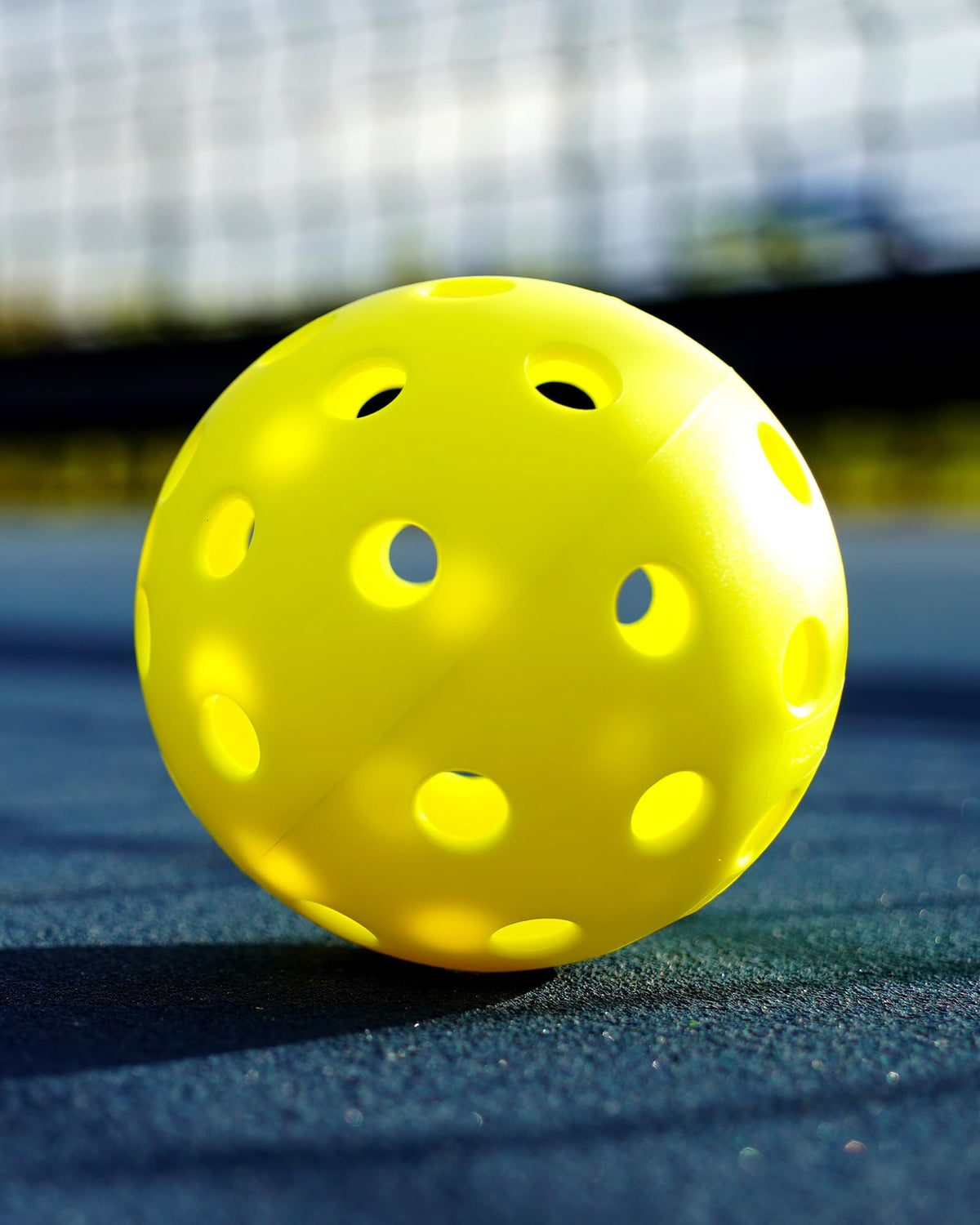
Indoor balls have 26 larger holes and are lighter and softer. They fly slower, bounce lower, and are designed for still air and smooth gym floors. Outdoor balls have 40 smaller holes and are heavier and harder. They cut through wind, bounce truer on rough concrete, and play faster.
If you only remember one thing: indoor balls indoors, outdoor balls outdoors. Everything else in this guide is detail.
Hole count and hole size
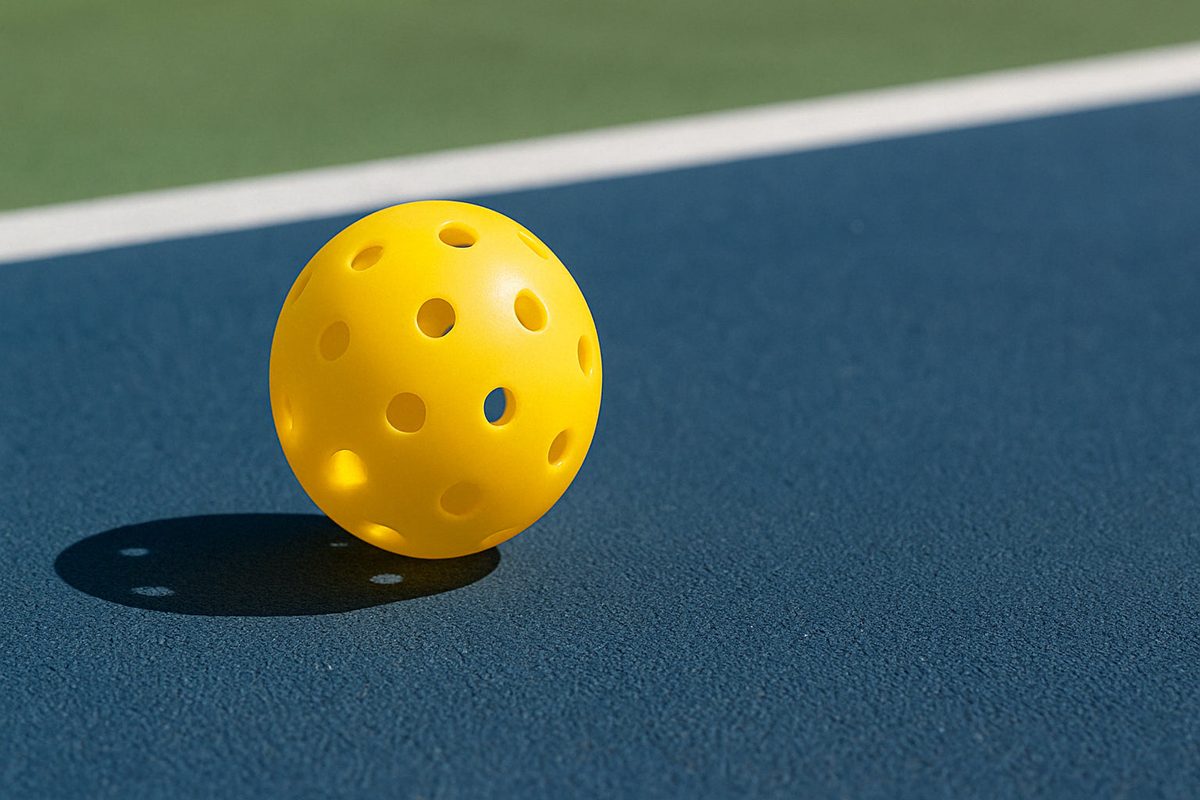
The hole pattern is the easiest way to tell the balls apart. Indoor balls have 26 larger holes; outdoor balls have 40 smaller ones. The extra holes on an outdoor ball make it heavier and more stable in the air — wind has less to push against, and the ball holds its line.
Indoor balls need fewer, bigger holes because there's no wind to fight and the lighter ball is easier to control in the faster indoor rallies. The larger holes also make the ball slightly softer on impact.
Weight and bounce
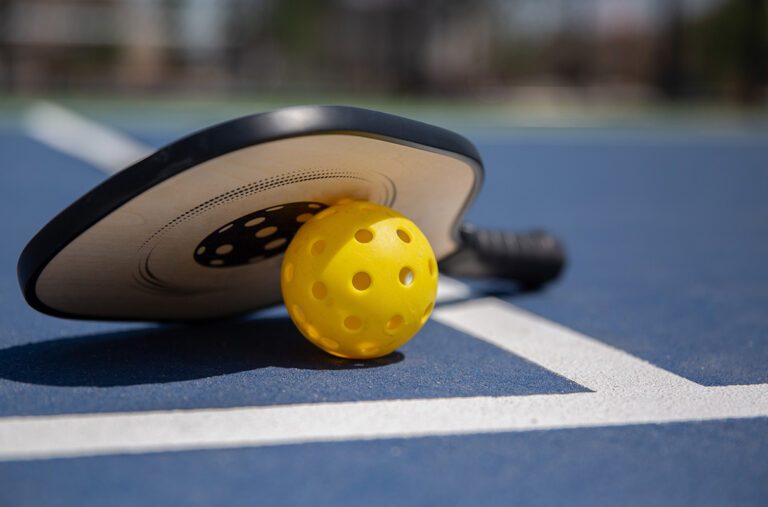
An indoor ball weighs around 26 g; an outdoor ball is a few grams heavier. That sounds trivial, but on a 44-foot court it changes everything: the outdoor ball carries further, bounces higher off hard surfaces, and holds up better against pace.
Bounce height is the other difference. Outdoor balls bounce truer and more consistently on rough outdoor surfaces. Indoor balls bounce lower and softer, which suits gym floors and keeps indoor rallies — already fast because there's no wind — playable.
Indoor balls: built for gym floors
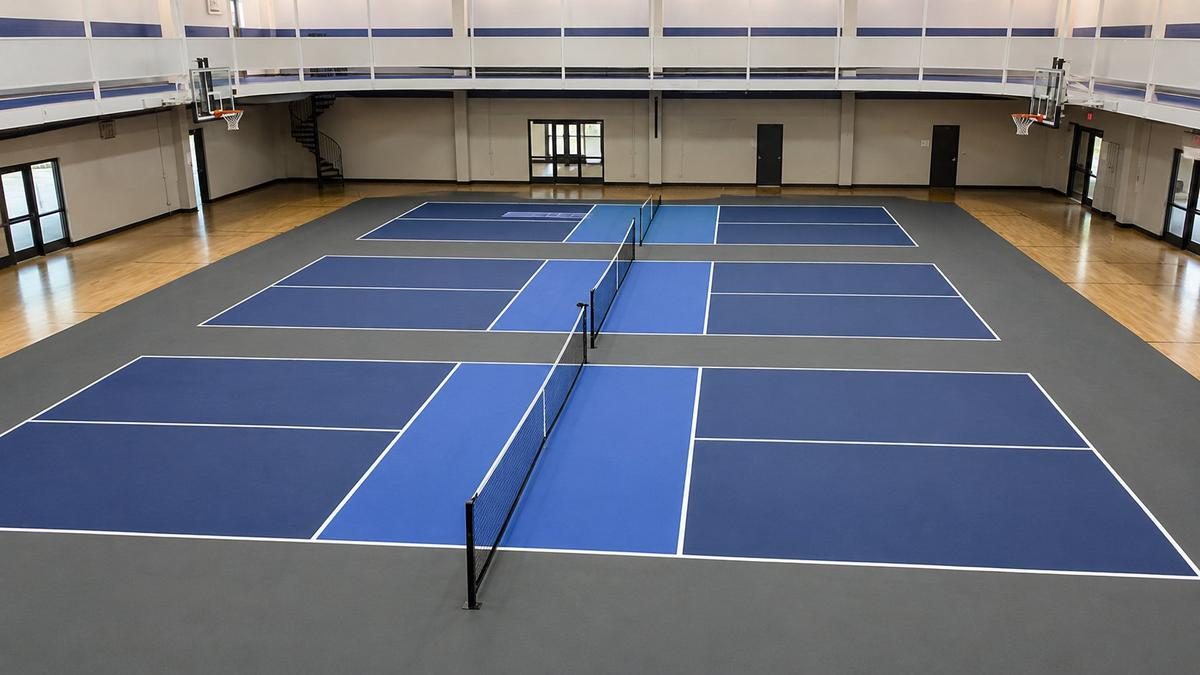
Indoor courts are smooth, still and fast. The ball doesn't need to fight wind or rough surfaces, so it can be lighter and softer — which makes for longer, more controlled rallies and less stress on paddles.
The Franklin X-26 is the standard indoor ball: 26 beveled holes, 26 g, and easy to see under gym lights. If your club plays indoors, a 12-pack of X-26s is the right starting point.
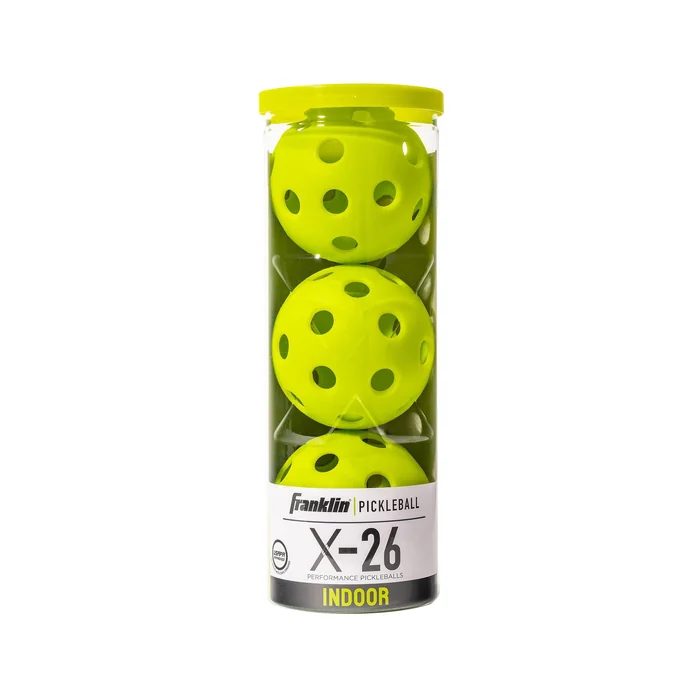
Best indoor ball
Franklin Sports X-26 Indoor Pickleballs (12-pack)
26 larger holes · 26 g · Built for gym floors
- + Lighter, slower — suits indoor rallies
- + Easy to see under gym lights
- − Useless outdoors — wind pushes it around
Typical price: budget
Check price on Amazon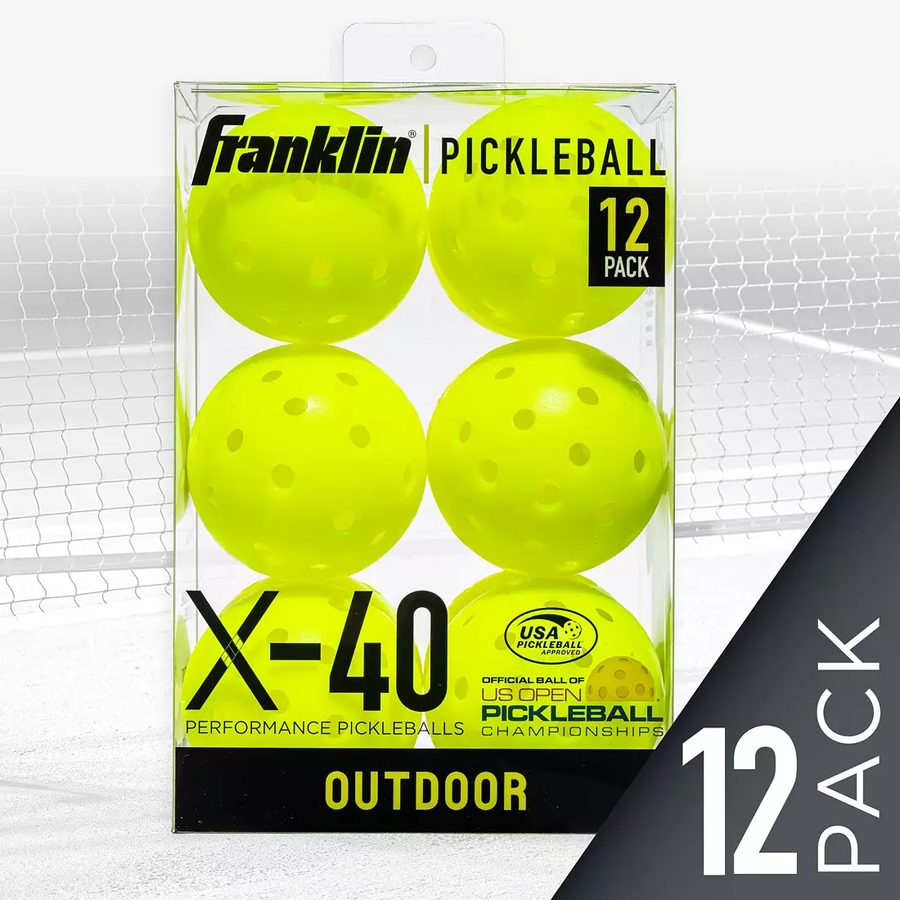
Best outdoor ball — the club standard
Franklin Sports X-40 Outdoor Pickleballs (12-pack)
40 holes · Seamless one-piece · USA Pickleball approved
- + True, consistent bounce outdoors
- + Official ball of the US Open
- − Cracks in cold weather — keep spares
Typical price: ≈ $30
Check price on AmazonOutdoor balls: built for wind and concrete
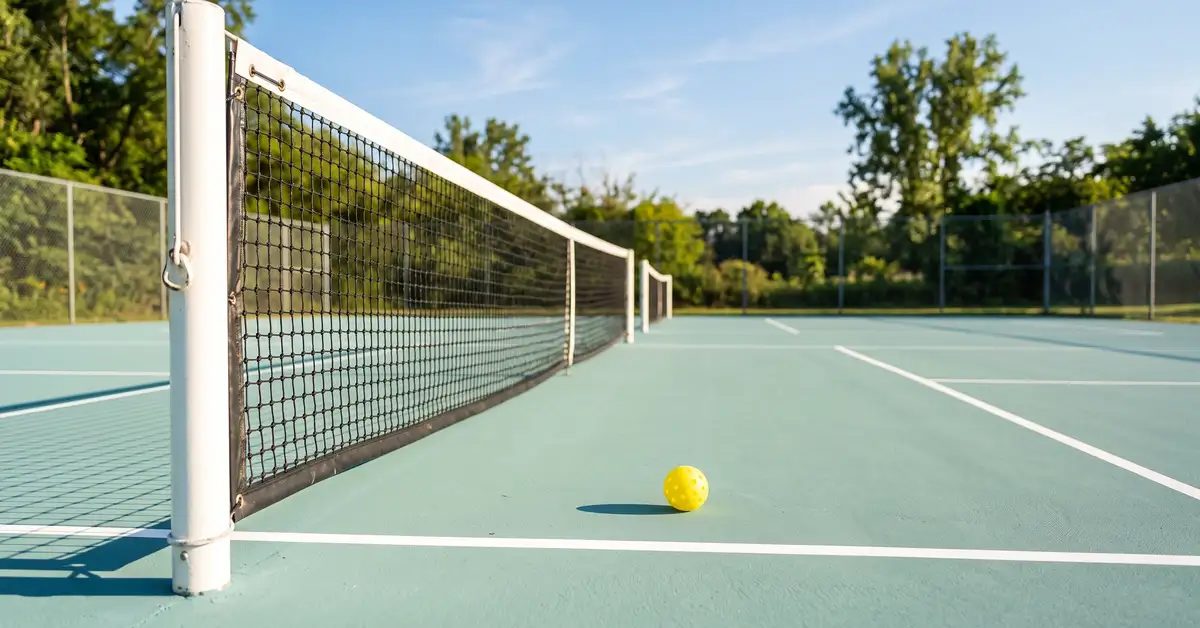
Outdoor courts are rough, windy and slow by comparison. The ball needs weight to hold its line, small holes to resist the wind, and hard plastic to survive concrete. That's the outdoor ball's job.
The Franklin X-40 is the benchmark: the official ball of the US Open and the APP Tour, with a seamless one-piece build and a true, consistent bounce. For faster play, the ONIX Dura Fast 40 is the classic tournament ball — quicker through the air, though it goes soft sooner.
Best outdoor ball — the club standard
Franklin Sports X-40 Outdoor Pickleballs (12-pack)
40 holes · Seamless one-piece · USA Pickleball approved
- + True, consistent bounce outdoors
- + Official ball of the US Open
- − Cracks in cold weather — keep spares
Typical price: ≈ $30
Check price on Amazon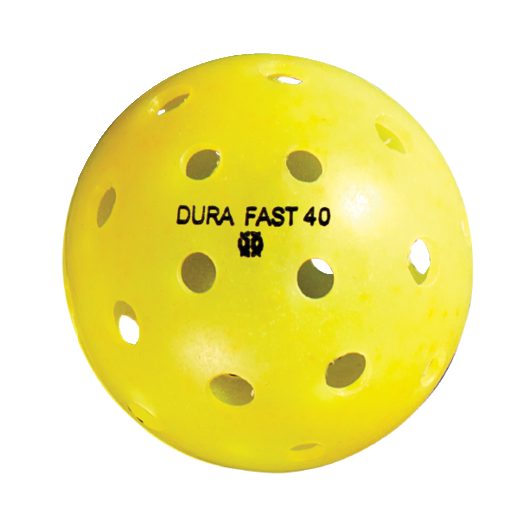
Best fast tournament ball
ONIX Dura Fast 40 Outdoor Pickleballs (4-pack)
40 holes · Roto-molded seamless · Tournament ball
- + The fastest-playing classic outdoor ball
- + Used in more pro events than any other
- − Goes soft and out-of-round faster than the X-40
Typical price: ≈ $13
Check price on AmazonWhat happens if you mix them up?
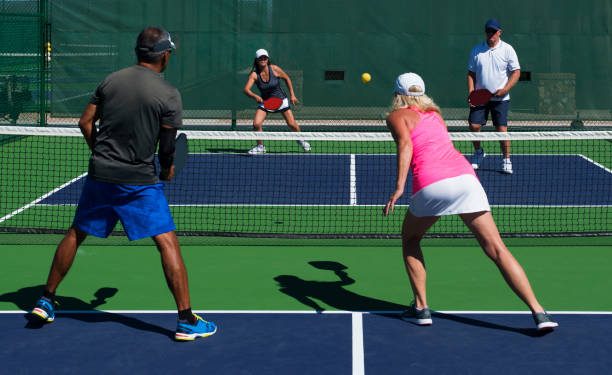
Indoor ball outdoors: the wind pushes it around, it bounces inconsistently on rough surfaces, and it cracks more easily on concrete. Your rallies get shorter and stranger, and you'll blame your paddle.
Outdoor ball indoors: it plays too fast and too hard for the space. Rallies get shorter, the ball skids off gym floors, and the harder plastic is louder. It works in a pinch — plenty of clubs do it — but it's not the game the court was designed for.
The X-40 vs Dura Fast 40 debate
The two classic outdoor balls divide opinion. The X-40 is the consistency pick: seamless, durable, true bounce, and the official ball of the biggest tournaments. The Dura Fast 40 is the speed pick: ONIX calls it the fastest ball on the market, and it's been used in more pro events than any other ball.
In practice, the X-40 lasts longer and plays more predictably; the Dura goes soft and out-of-round sooner but plays faster while it's fresh. Most clubs standardize on the X-40. Tournament players often prefer the Dura. Try both — a 4-pack of Duras costs around $13.
Best outdoor ball — the club standard
Franklin Sports X-40 Outdoor Pickleballs (12-pack)
40 holes · Seamless one-piece · USA Pickleball approved
- + True, consistent bounce outdoors
- + Official ball of the US Open
- − Cracks in cold weather — keep spares
Typical price: ≈ $30
Check price on Amazon
Best fast tournament ball
ONIX Dura Fast 40 Outdoor Pickleballs (4-pack)
40 holes · Roto-molded seamless · Tournament ball
- + The fastest-playing classic outdoor ball
- + Used in more pro events than any other
- − Goes soft and out-of-round faster than the X-40
Typical price: ≈ $13
Check price on AmazonHow long do balls last?
Outdoor balls last longer than indoor balls, but neither lasts forever. An X-40 used a few times a week will stay playable for several weeks before it goes soft or cracks. Indoor balls wear faster because the softer plastic deforms sooner.
Replace a ball when it feels soft, wobbles in flight, or has a visible crack. A dead ball makes every paddle feel wrong — if your shots suddenly feel mushy, check the ball before you blame the paddle.
Cold weather and cracked balls
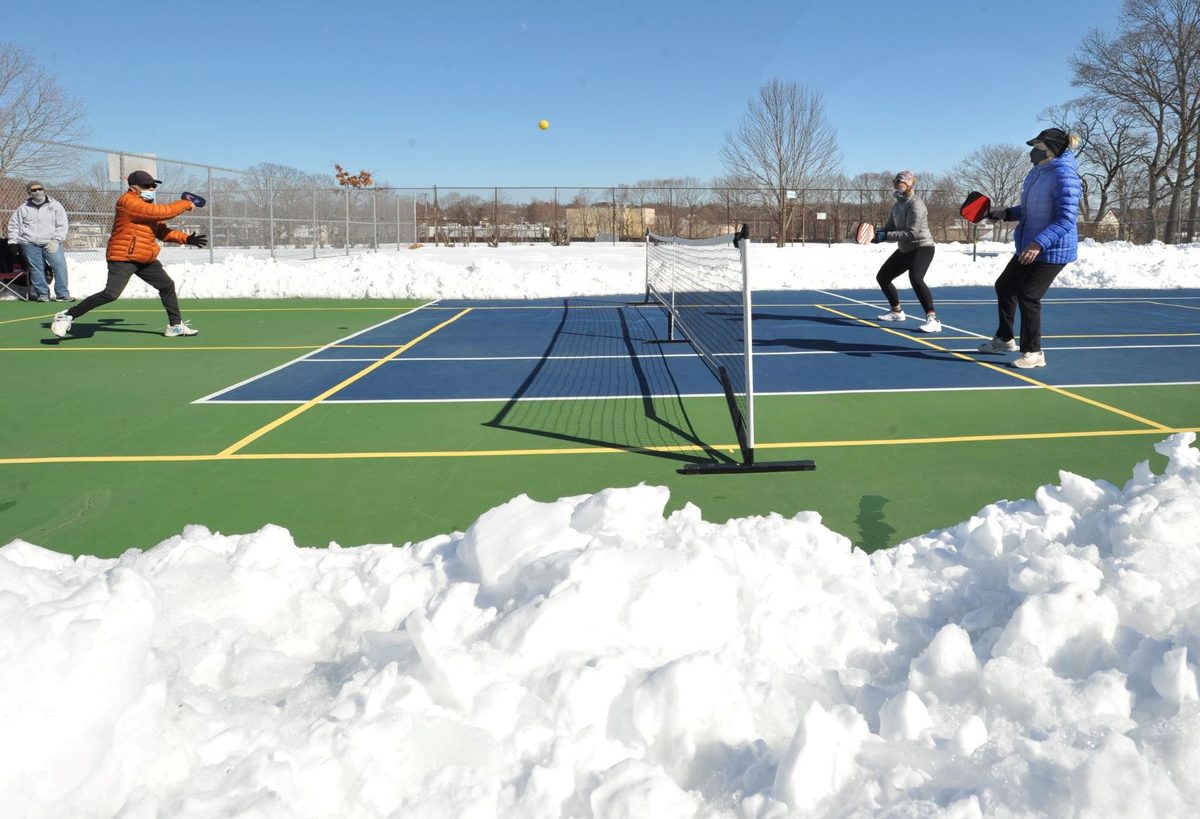
Cold is the enemy of outdoor balls. Below about 50°F (10°C), the plastic gets brittle and balls crack much more easily — sometimes on the first hard hit. In winter, keep balls in a warm bag or your car until game time, and bring spares.
If you play outdoors in winter regularly, expect to go through more balls. Some players switch to softer balls in cold weather; others just budget for a higher crack rate. Either way, don't leave balls in a cold garage overnight.
What to buy first
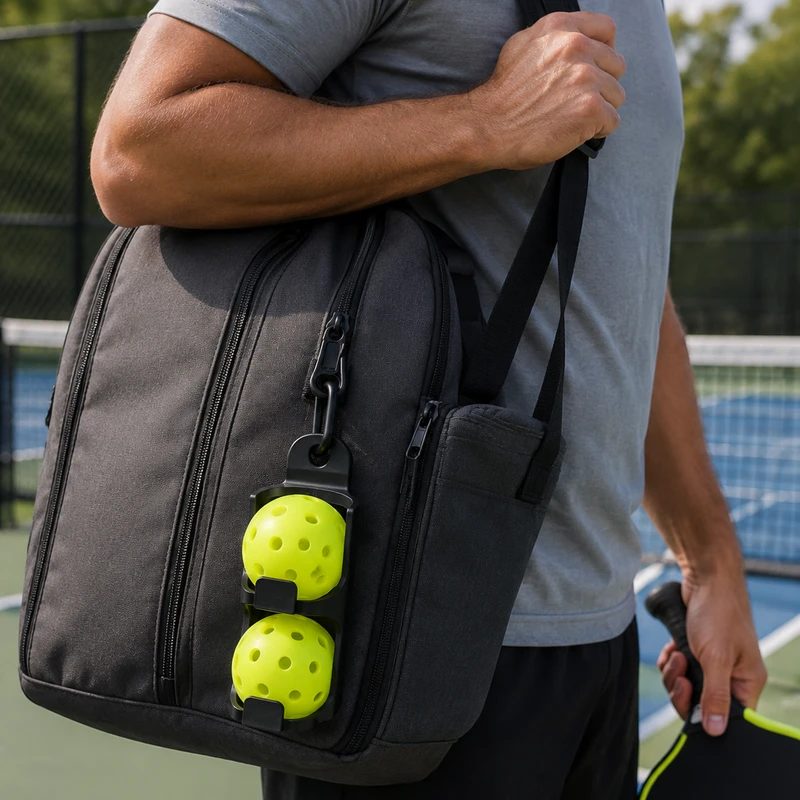
Start with the ball for where you actually play. Outdoor player: a 12-pack of Franklin X-40s, around $30 — enough for a group for months. Indoor player: a 12-pack of Franklin X-26s. Playing both? Buy both, and keep them in separate bags so you never mix them up.
Add a 4-pack of Dura Fast 40s when your group starts playing faster or talking about tournaments. And always carry two spare balls — a cracked ball mid-game shouldn't end the session.
Best outdoor ball — the club standard
Franklin Sports X-40 Outdoor Pickleballs (12-pack)
40 holes · Seamless one-piece · USA Pickleball approved
- + True, consistent bounce outdoors
- + Official ball of the US Open
- − Cracks in cold weather — keep spares
Typical price: ≈ $30
Check price on Amazon
Best indoor ball
Franklin Sports X-26 Indoor Pickleballs (12-pack)
26 larger holes · 26 g · Built for gym floors
- + Lighter, slower — suits indoor rallies
- + Easy to see under gym lights
- − Useless outdoors — wind pushes it around
Typical price: budget
Check price on AmazonFrequently asked questions
What's the difference between indoor and outdoor pickleballs?
Indoor balls have 26 larger holes, are lighter (~26 g) and play slower and softer. Outdoor balls have 40 smaller holes, are heavier and harder, and resist wind better.
Can I use indoor pickleballs outdoors?
You can, but they play badly: wind pushes them around, they bounce inconsistently on concrete, and they crack more easily. Use outdoor balls outside.
Can I use outdoor pickleballs indoors?
Yes, and many clubs do — but they play faster and harder than indoor balls, and they skid on gym floors. Indoor balls give longer, more controlled rallies.
How do I tell indoor and outdoor balls apart?
Count the holes: 26 larger holes means indoor, 40 smaller holes means outdoor. The packaging also says so — look for 'indoor' or 'outdoor' on the tube.
What is the best outdoor pickleball?
The Franklin X-40 is the standard — official ball of the US Open, true bounce, durable. The ONIX Dura Fast 40 is the faster tournament alternative.
What is the best indoor pickleball?
The Franklin X-26 is the standard indoor ball: 26 holes, 26 g, built for gym floors and easy to see under indoor lighting.
How long do pickleballs last?
A few weeks of regular play for outdoor balls, less for indoor balls. Replace them when they go soft, wobble in flight, or crack.
Why do pickleballs crack in cold weather?
The plastic gets brittle below about 50°F (10°C). Keep balls warm before play and bring spares in winter.
As an Amazon Associate, Pickleball Pick earns from qualifying purchases. Our picks are chosen by research, not by commission — see our Affiliate Disclosure.