
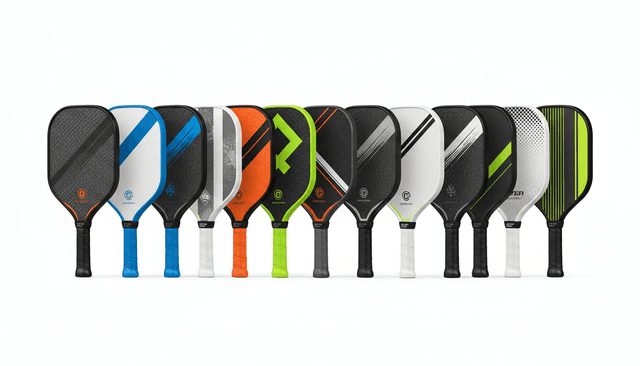
Here's the good news about pickleball in 2026: the sub-$100 paddle has never been better. Carbon faces, 16 mm cores and proper edge guards — features that cost $200 two years ago — now show up at half the price. The bad news: the same price band is full of no-name paddles with dead cores and grips that peel in a month.
Every paddle in this guide is USA Pickleball approved, from a brand with a real warranty and a real reputation, and priced under $100 at the time of writing. We say where a pick is a genuine bargain and where it's just cheap.
The short answer
| Best overall under $100 | Selkirk SLK Evo Hybrid Max — around $60, plays like more |
| Best power on a budget | HEAD Radical Elite — widebody pop for around $50 |
| Best graphite feel | ONIX Graphite Z5 — the club classic, around $90 |
| Best carbon under $100 | Franklin Signature Carbon Series — real T700 face |
| Best starter set | niupipo Fiberglass Set of 2 — two paddles, balls, bag |
How we picked: the budget rules
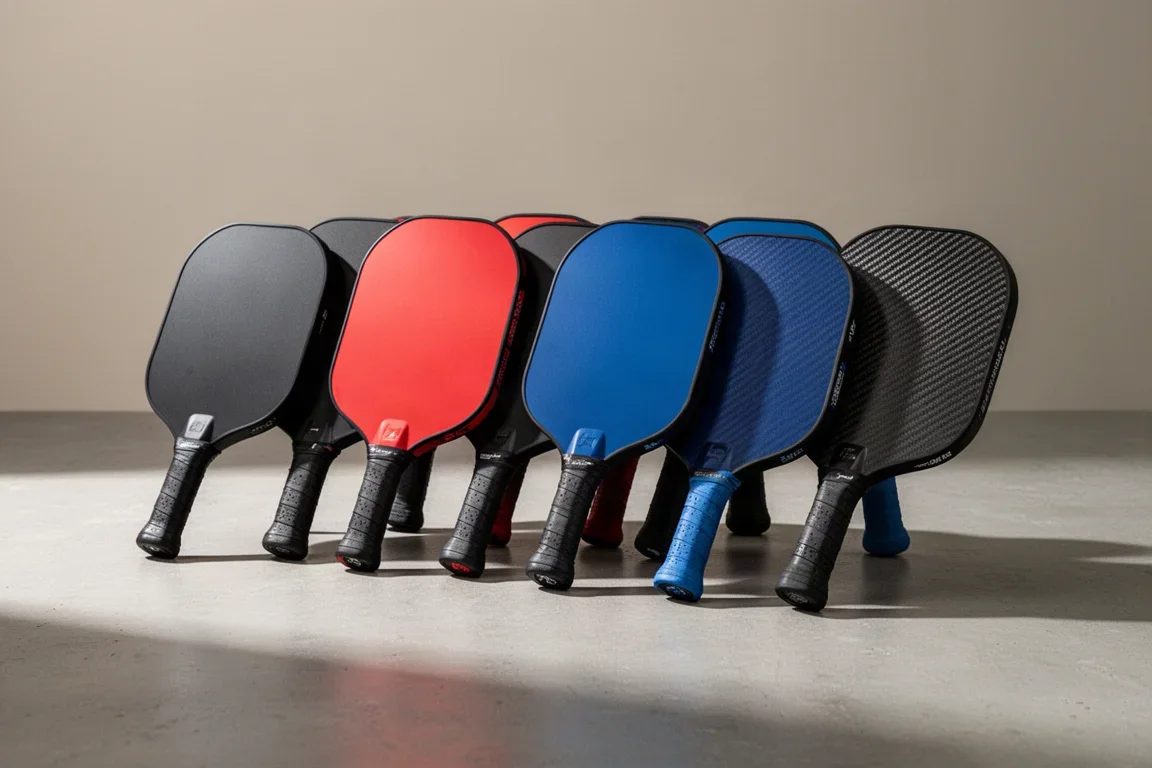
Three rules governed this list. First, every paddle must be USA Pickleball approved — no approval, no recommendation, because a bargain paddle you can't use in a tournament isn't a bargain. Second, every brand must have a real warranty and a real customer-service channel. Third, the price must be under $100 for the paddle itself, not a set price divided by wishful thinking.
We also checked each pick against owner reviews for the two things that kill budget paddles: dead spots in the core and grips that come apart. Every paddle below passed.
Best value starter paddle
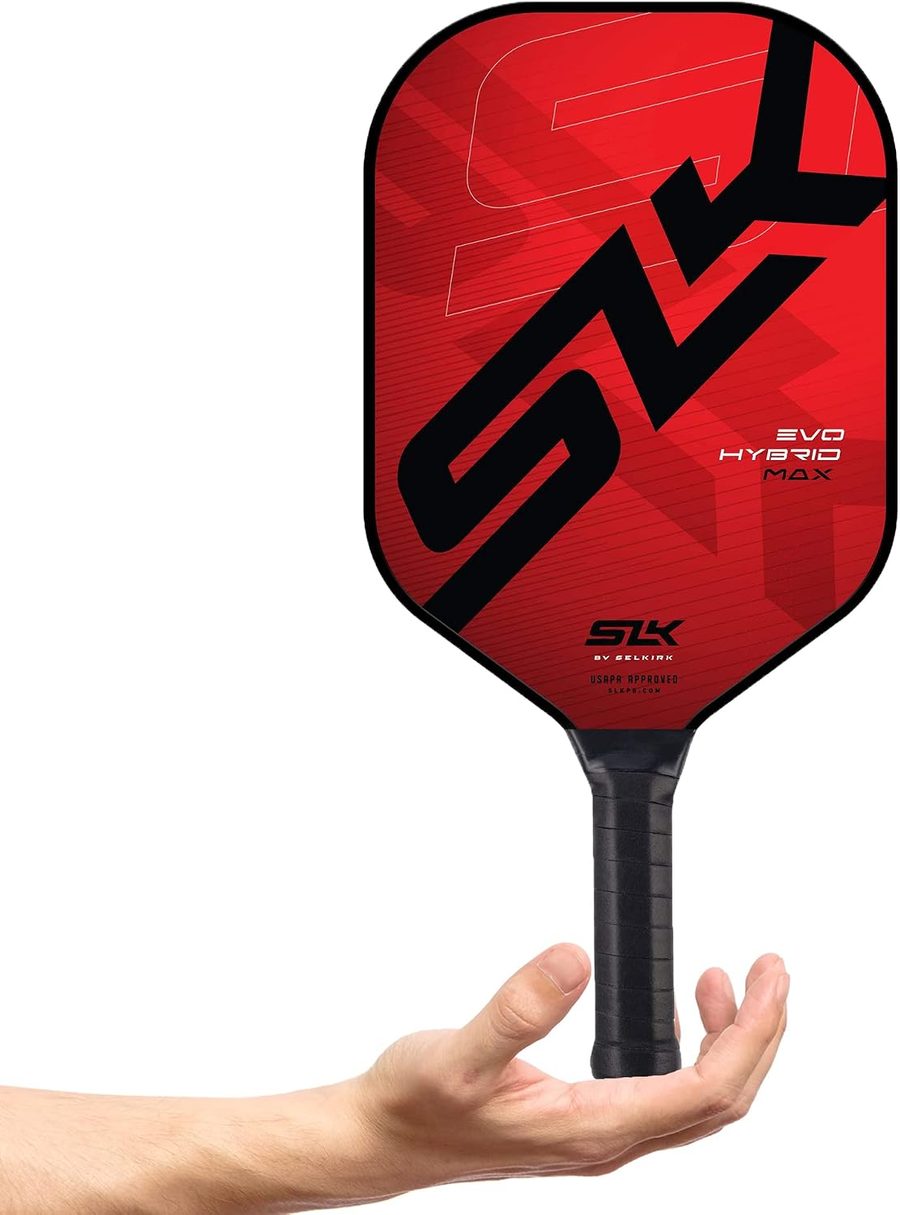
Selkirk SLK Evo Hybrid Max
13 mm Rev-Hybrid core · C7-Flex fiberglass · 7.6–8.0 oz
- + Light, easy power, big sweet spot
- + Selkirk build quality at a low price
- − 13 mm core is livelier — less soft touch
Typical price: ≈ $60
Check price on Amazon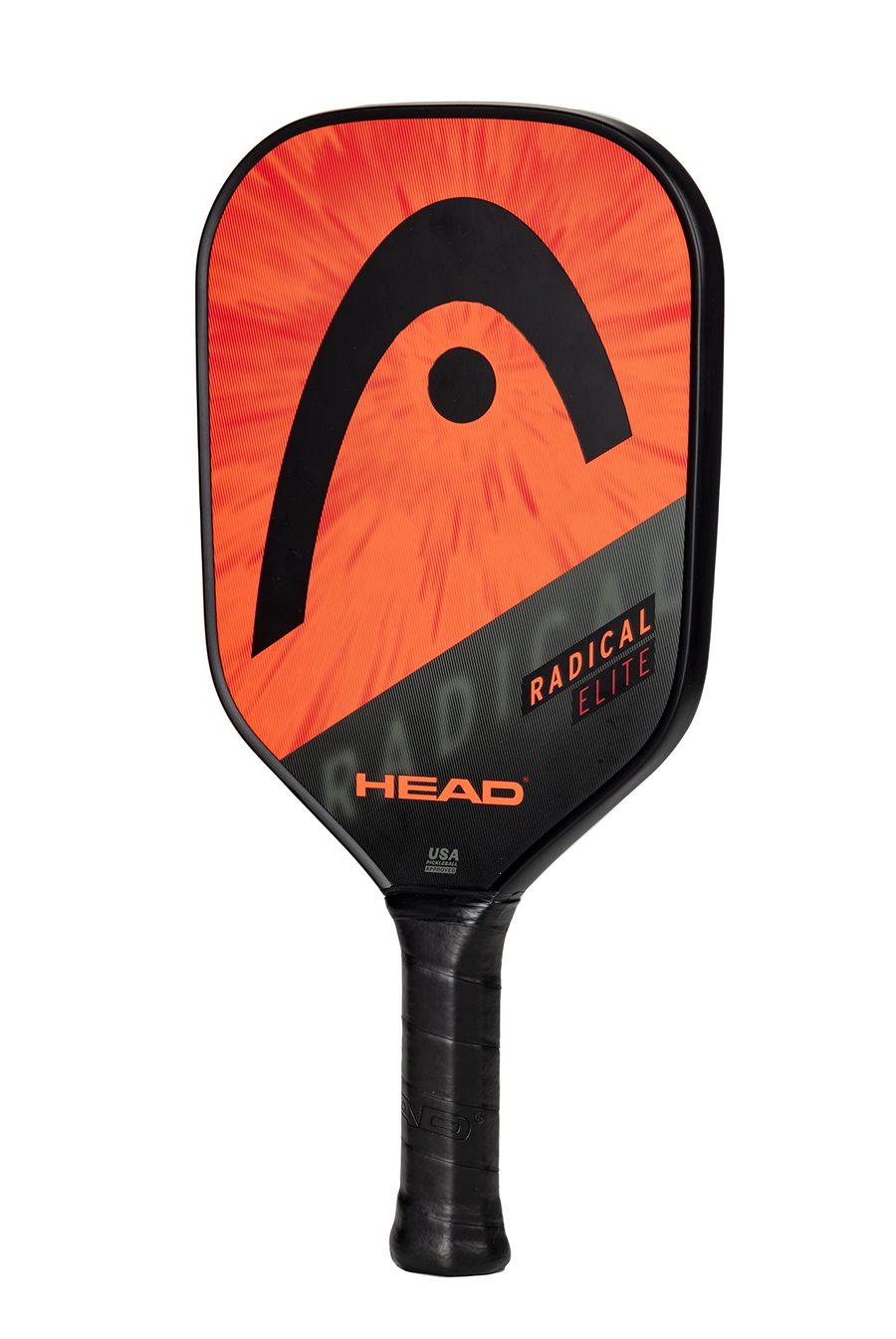
Best for tennis players switching over
HEAD Radical Elite
Fiberglass face · Polymer honeycomb core · ~8.1 oz
- + Widebody sweet spot, familiar HEAD grip
- + Hard to beat at this price
- − Heavier swing than modern light paddles
Typical price: ≈ $50
Check price on AmazonBest overall under $100: Selkirk SLK Evo Hybrid Max
The Evo Hybrid Max is the paddle we'd hand to a friend with $60 and a first game on Saturday. At 7.6–8.0 oz with a C7-Flex fiberglass face and a 13 mm Rev-Hybrid core, it's light, lively and forgiving — and it comes from Selkirk, a brand that stands behind its paddles.
The 13 mm core gives easy power on serves and drives, which is what makes the first month fun. The soft game takes a little touch, but at this price that's a fair trade — and honestly, it's a trade most players at 3.0 and below will never notice.
Best value starter paddle
Selkirk SLK Evo Hybrid Max
13 mm Rev-Hybrid core · C7-Flex fiberglass · 7.6–8.0 oz
- + Light, easy power, big sweet spot
- + Selkirk build quality at a low price
- − 13 mm core is livelier — less soft touch
Typical price: ≈ $60
Check price on Amazon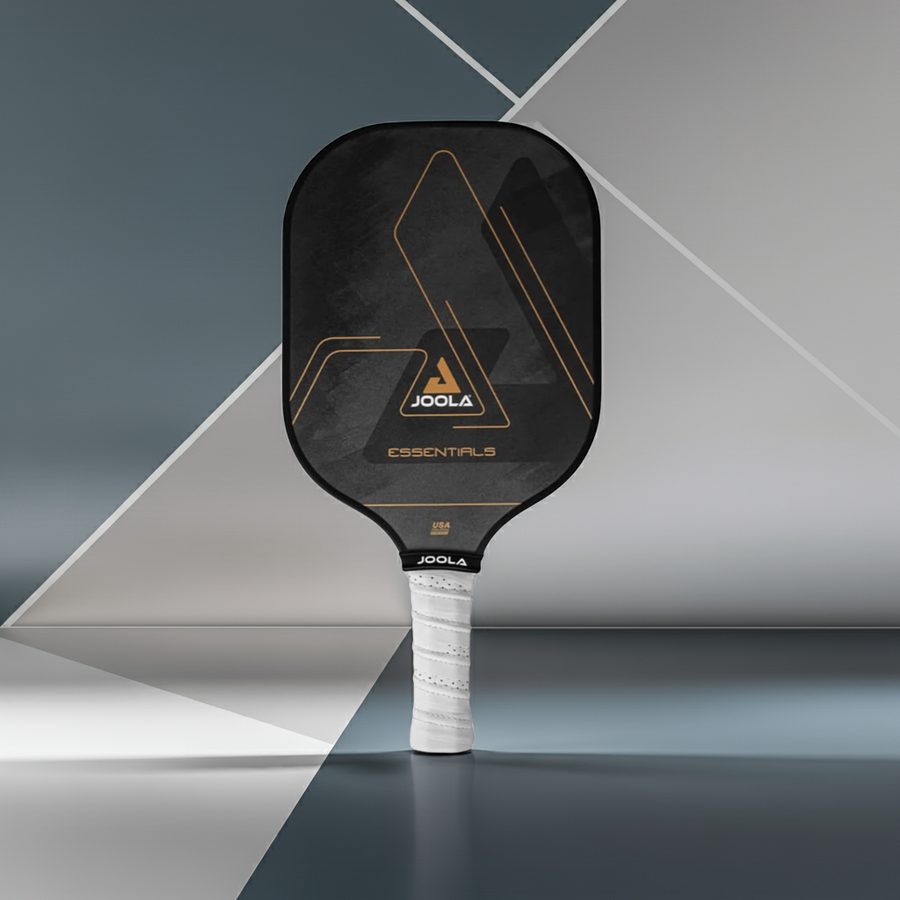
Best first paddle, no fuss
JOOLA Essentials
12 mm core · Reinforced fiberglass face · 8.2 oz
- + Forgiving and easy from day one
- + JOOLA quality at entry price
- − Serious players will outgrow it within a year
Typical price: budget
Check price on AmazonBest power on a budget: HEAD Radical Elite
If your game is built on drives and put-aways, the Radical Elite gives you the most pop per dollar on this list. The widebody fiberglass face has a huge sweet spot, and the polymer honeycomb core returns energy well — around $50, it's the cheapest paddle here and one of the most powerful.
The swing weight is a touch heavier than the modern lightweights, and the soft game needs practice. But for tennis converts and aggressive beginners, it's the right kind of compromise.
Best for tennis players switching over
HEAD Radical Elite
Fiberglass face · Polymer honeycomb core · ~8.1 oz
- + Widebody sweet spot, familiar HEAD grip
- + Hard to beat at this price
- − Heavier swing than modern light paddles
Typical price: ≈ $50
Check price on Amazon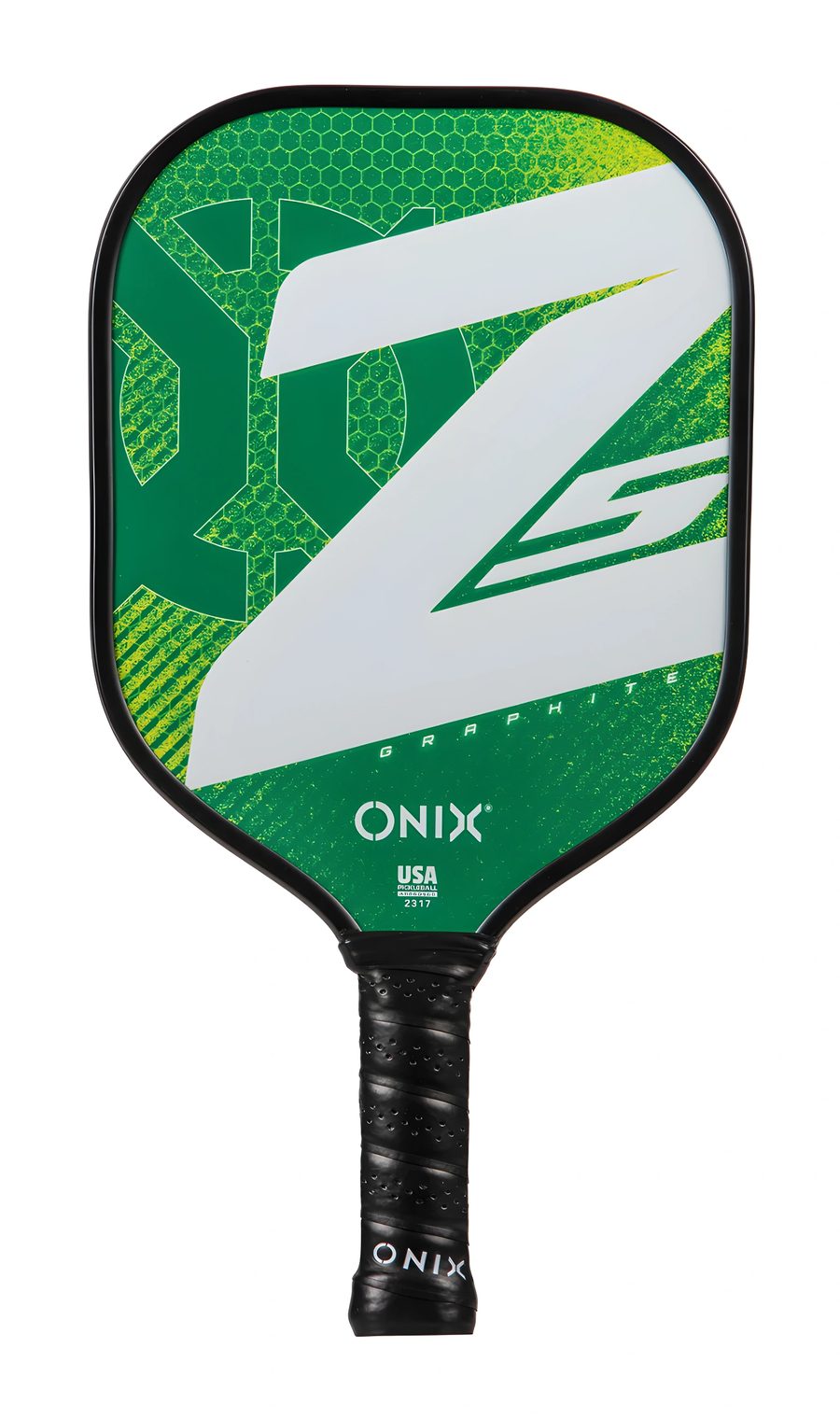
Best classic graphite paddle
ONIX Graphite Z5
Nomex honeycomb core · Graphite face · 7.5–8.2 oz
- + A decade of club-court trust
- + Crisp, light, quick hands
- − Louder, firmer feel than polymer cores
Typical price: ≈ $90
Check price on AmazonBest graphite feel: ONIX Graphite Z5
The Z5 is the paddle your club's regulars learned on, and at around $90 it's still one of the best buys in the sport. The Nomex core and graphite face feel crisp and quick — a very different sensation from the soft polymer cores — and the wide body makes it easy to find the ball.
It's firmer and louder than the polymer paddles here, and players with elbow trouble should test first. But if you like a paddle that talks back to you, the Z5 is the classic for a reason.
Best classic graphite paddle
ONIX Graphite Z5
Nomex honeycomb core · Graphite face · 7.5–8.2 oz
- + A decade of club-court trust
- + Crisp, light, quick hands
- − Louder, firmer feel than polymer cores
Typical price: ≈ $90
Check price on Amazon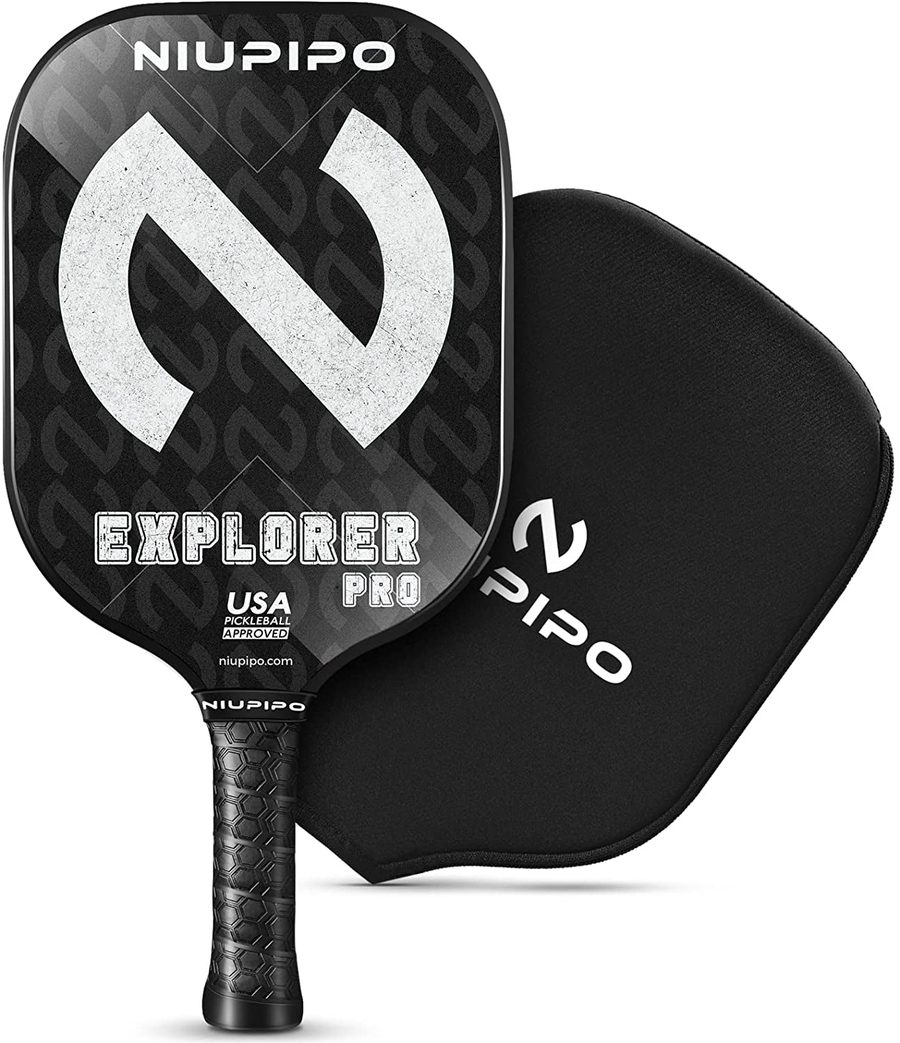
Best sub-$80 all-rounder
niupipo Explorer Pro
Graphite carbon face · Polypropylene core · With cover
- + Comes with a cover — rare at this price
- + Balanced power and control
- − Grip runs small for big hands
Typical price: ≈ $80
Check price on AmazonBest sub-$80 carbon: niupipo Explorer Pro
At around $80, the Explorer Pro is the cheapest way into a graphite carbon face that actually performs. The polypropylene core keeps the feel balanced — not too soft, not too hot — and the included padded cover is a genuine bonus at this price.
It's a true all-rounder: no standout weakness, no standout superpower. For a player who wants one paddle for every situation and doesn't want to think about gear, that's the right answer.
Best sub-$80 all-rounder
niupipo Explorer Pro
Graphite carbon face · Polypropylene core · With cover
- + Comes with a cover — rare at this price
- + Balanced power and control
- − Grip runs small for big hands
Typical price: ≈ $80
Check price on Amazon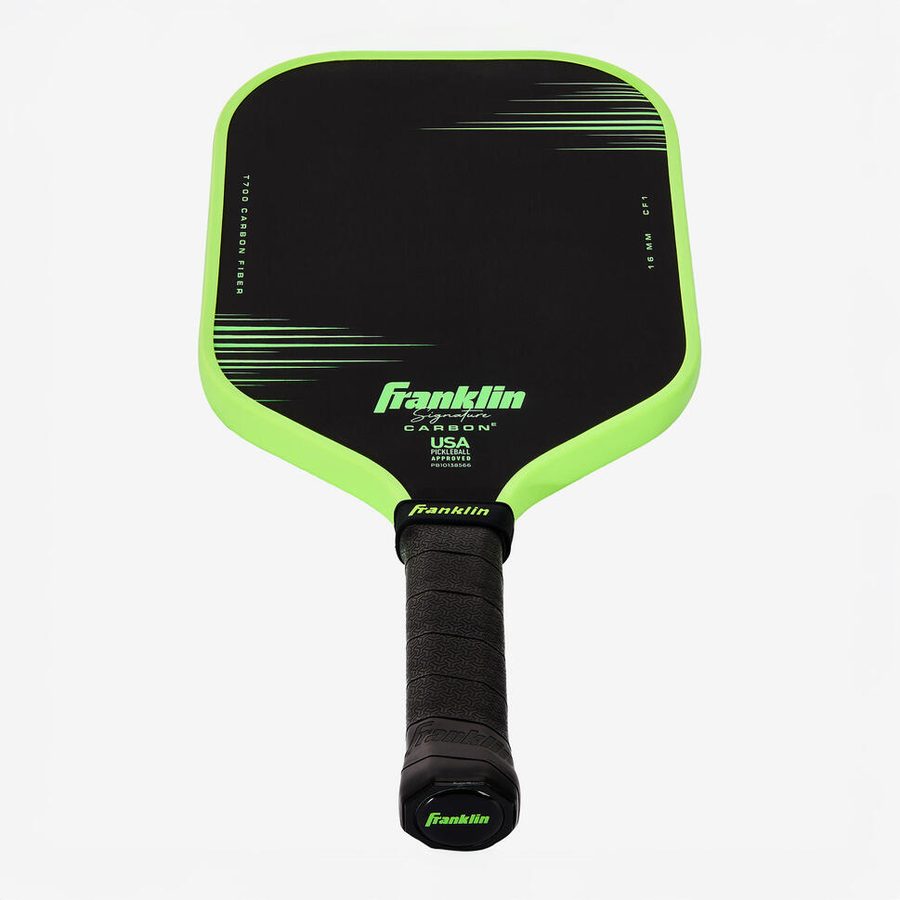
Best carbon feel under $100
Franklin Signature Carbon Series 13 mm
13 mm polypropylene core · T700 carbon face · USAP approved
- + Real carbon face at a fair price
- + MaxGrit-style texture grips the ball
- − 13 mm core needs a softer hand at the net
Typical price: mid-range
Check price on AmazonBest starter set value: niupipo Fiberglass Set
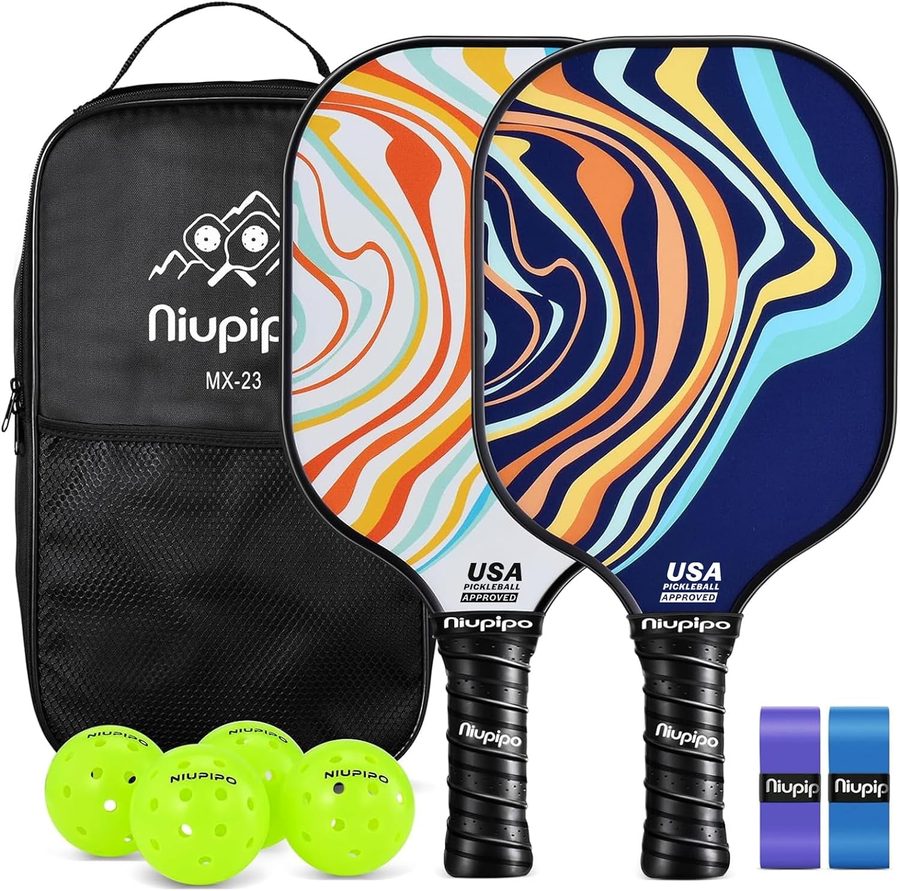
Two paddles, four balls and a bag for around $60 — that's under $30 per player to get on court. The fiberglass faces are lively and forgiving, the paddles are light enough for long rallies, and the included bag actually fits everything.
The honest note: these are basic paddles, and committed players will want an upgrade within a few months. But as the cheapest legitimate way to start — with real USA Pickleball approved paddles, not toy-store rackets — this set is the one to beat.
Best two-player starter set
niupipo Fiberglass Paddle Set of 2
2 paddles + 4 balls + bag · Fiberglass faces
- + Everything two beginners need in one box
- + Balls and bag included
- − Paddles are basic — upgrade later if you stick with it
Typical price: ≈ $60
Check price on Amazon
Best first paddle, no fuss
JOOLA Essentials
12 mm core · Reinforced fiberglass face · 8.2 oz
- + Forgiving and easy from day one
- + JOOLA quality at entry price
- − Serious players will outgrow it within a year
Typical price: budget
Check price on AmazonBest first paddle, period: JOOLA Essentials
The Essentials is the paddle for the player who doesn't want to comparison-shop. Reinforced fiberglass face, 12 mm honeycomb core, 8.2 oz, JOOLA build quality — it does everything a first paddle needs to do, and nothing it doesn't.
It's not the lightest, not the most powerful and not the softest paddle here. It's the most predictable. For a first paddle, predictable is a feature, not a flaw.
Best first paddle, no fuss
JOOLA Essentials
12 mm core · Reinforced fiberglass face · 8.2 oz
- + Forgiving and easy from day one
- + JOOLA quality at entry price
- − Serious players will outgrow it within a year
Typical price: budget
Check price on Amazon
Best value starter paddle
Selkirk SLK Evo Hybrid Max
13 mm Rev-Hybrid core · C7-Flex fiberglass · 7.6–8.0 oz
- + Light, easy power, big sweet spot
- + Selkirk build quality at a low price
- − 13 mm core is livelier — less soft touch
Typical price: ≈ $60
Check price on AmazonBest carbon under $100: Franklin Signature Carbon
A real T700 carbon fiber face under $100 is the headline here. Carbon gives you spin and a more connected feel than fiberglass, and Franklin's textured surface genuinely grips the ball — you can feel the difference on slice serves and topspin drives within ten minutes.
The 13 mm core keeps it quick and lively. If your game leans toward spin and placement rather than pure power, this is the best sub-$100 way to get a carbon feel.
Best carbon feel under $100
Franklin Signature Carbon Series 13 mm
13 mm polypropylene core · T700 carbon face · USAP approved
- + Real carbon face at a fair price
- + MaxGrit-style texture grips the ball
- − 13 mm core needs a softer hand at the net
Typical price: mid-range
Check price on Amazon
Best classic graphite paddle
ONIX Graphite Z5
Nomex honeycomb core · Graphite face · 7.5–8.2 oz
- + A decade of club-court trust
- + Crisp, light, quick hands
- − Louder, firmer feel than polymer cores
Typical price: ≈ $90
Check price on AmazonThe stretch pick: Selkirk SLK Halo Control Max
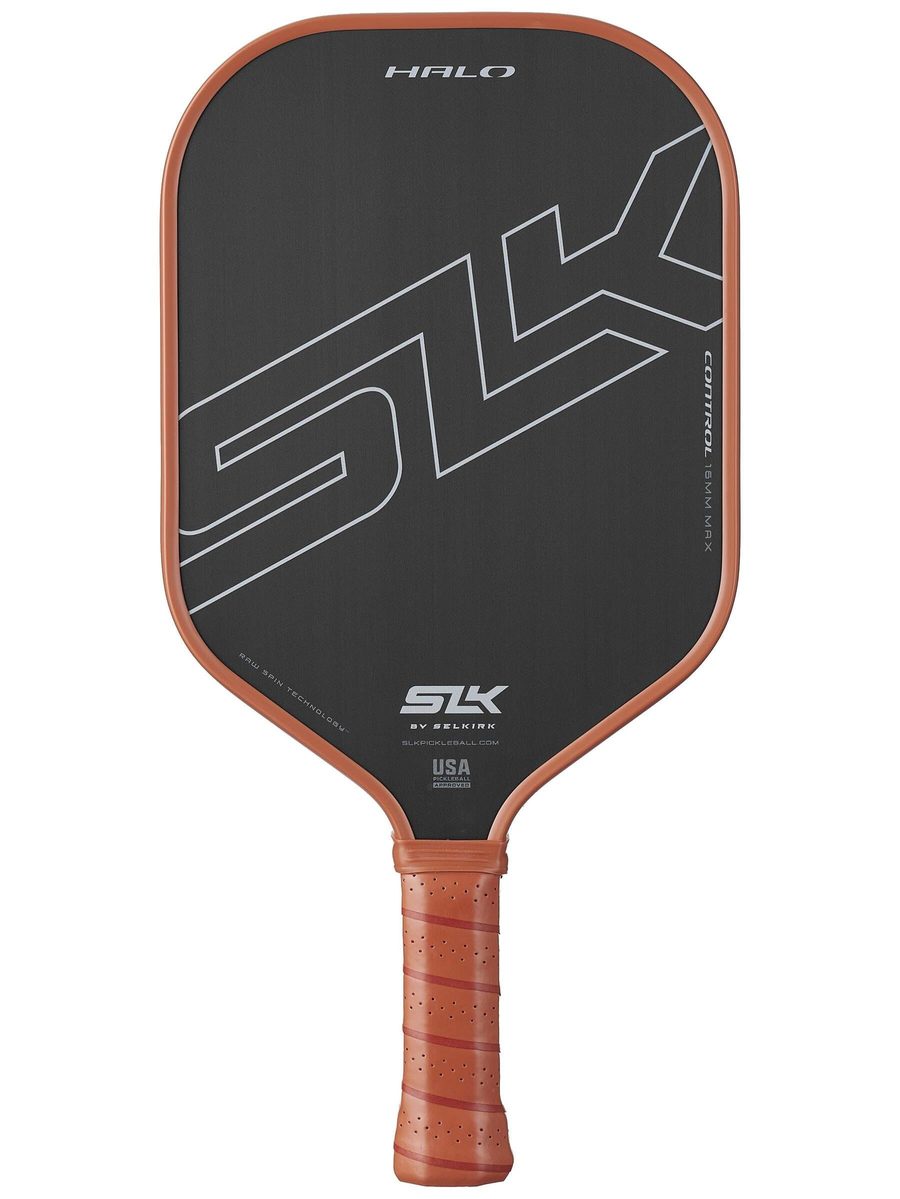
Let's be upfront: the Halo Control Max typically sells for around $150, so it's over our $100 line. It earns its place here because it's the paddle most under-$100 buyers end up upgrading to — and if your budget has any flex at all, buying it first saves you buying twice.
The raw carbon face and plush 16 mm core give the softest, most controlled feel in this guide. If you can stretch, stretch. If you can't, the Evo Hybrid Max above is the honest under-$100 answer.
Best control feel
Selkirk SLK Halo Control Max
16 mm Rev-Control core · Raw carbon face · Max shape
- + Soft, predictable touch at the net
- + Raw carbon adds real spin
- − Less free power than fiberglass faces
Typical price: ≈ $150
Check price on Amazon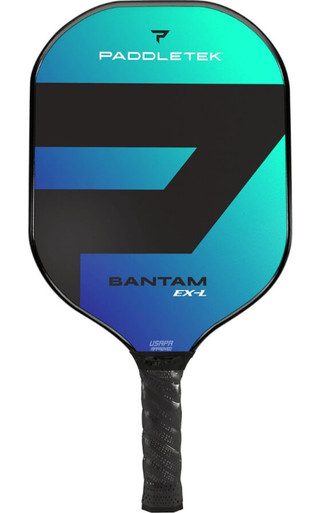
Best for control-first players
Paddletek Bantam EX-L
12.7 mm Bantam PolyCore · Polycarbonate face · 7.8–8.4 oz
- + Superb touch and reset game
- + Quiet, soft feel off the face
- − You supply the power yourself
Typical price: premium
Check price on AmazonFiberglass vs graphite vs carbon under $100
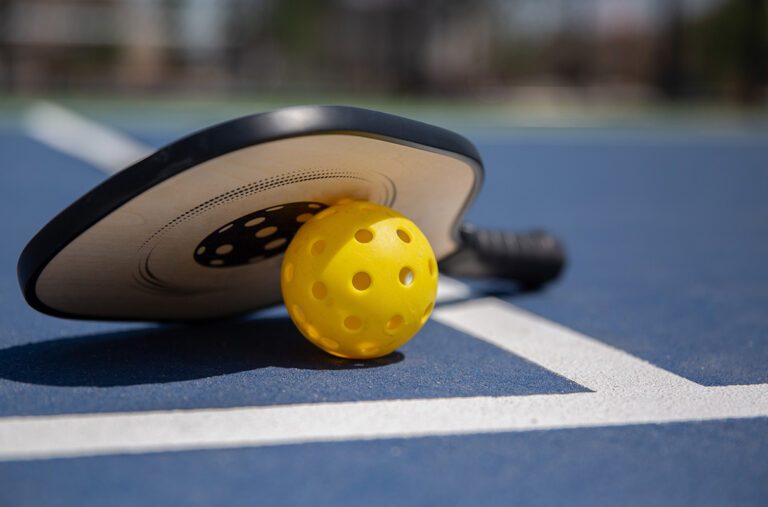
Face material is the main feel decision at this price. Fiberglass is the liveliest — most power, most pop, least touch. Graphite is the middle ground — crisp, quick, controlled. Carbon is the spin and touch option — the most connected feel, the least free power.
Under $100, fiberglass gives you the most paddle for the money (Radical Elite, Evo Hybrid Max). Graphite is the safe classic (Z5). Carbon is now reachable (Franklin Signature Carbon) but usually comes with a thinner core to hit the price.
Best for tennis players switching over
HEAD Radical Elite
Fiberglass face · Polymer honeycomb core · ~8.1 oz
- + Widebody sweet spot, familiar HEAD grip
- + Hard to beat at this price
- − Heavier swing than modern light paddles
Typical price: ≈ $50
Check price on Amazon
Best carbon feel under $100
Franklin Signature Carbon Series 13 mm
13 mm polypropylene core · T700 carbon face · USAP approved
- + Real carbon face at a fair price
- + MaxGrit-style texture grips the ball
- − 13 mm core needs a softer hand at the net
Typical price: mid-range
Check price on AmazonWeight: what changes under $100
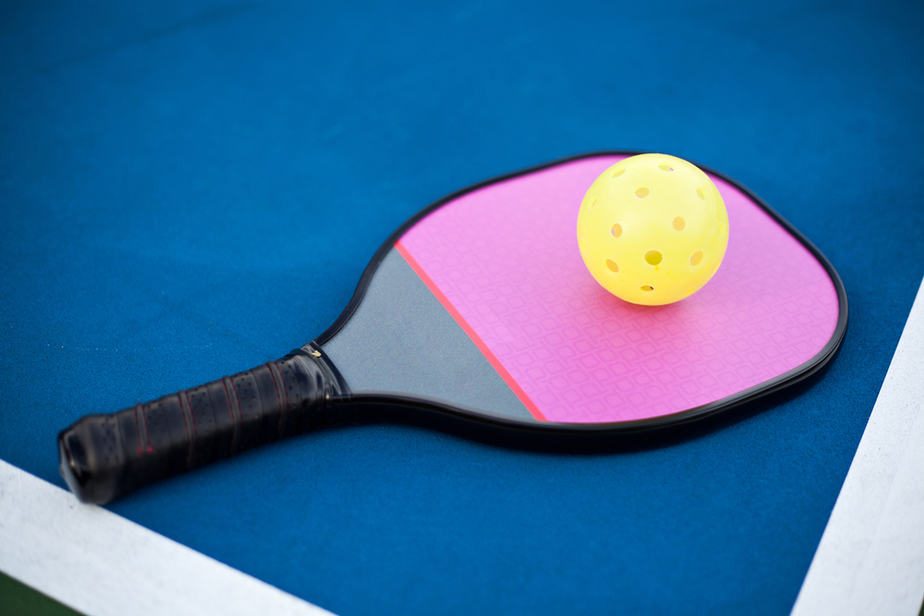
Budget paddles cluster in the 7.6–8.4 oz midweight range, which is good news: that's where most players should be anyway. What you don't get under $100 is fine-grained weight choice — premium lines offer light, standard and heavy versions of the same paddle; budget lines offer one weight and you take it.
If you have elbow or shoulder trouble, favour the lighter end of the range (Evo Hybrid Max at 7.6–8.0 oz) and add an overgrip rather than buying a heavier paddle.
Best value starter paddle
Selkirk SLK Evo Hybrid Max
13 mm Rev-Hybrid core · C7-Flex fiberglass · 7.6–8.0 oz
- + Light, easy power, big sweet spot
- + Selkirk build quality at a low price
- − 13 mm core is livelier — less soft touch
Typical price: ≈ $60
Check price on Amazon
Best classic graphite paddle
ONIX Graphite Z5
Nomex honeycomb core · Graphite face · 7.5–8.2 oz
- + A decade of club-court trust
- + Crisp, light, quick hands
- − Louder, firmer feel than polymer cores
Typical price: ≈ $90
Check price on AmazonWhat to skip at this price
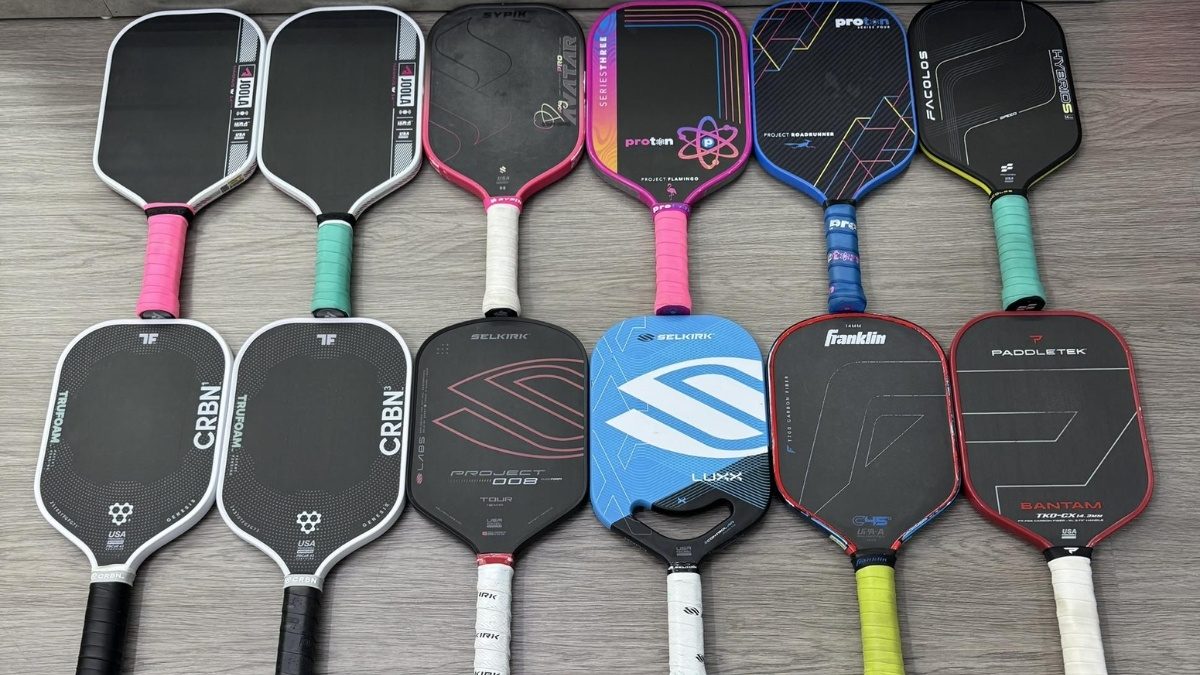
Three things to avoid under $100. Wooden paddles: heavy, dead-feeling, and a fast route to a sore arm — they're toys, not equipment. No-name Amazon paddles with no brand website and no warranty: if the core dies in a month, nobody will answer your email. And 'pro' bundles that throw in ten accessories to hide a bad paddle: the accessories are worth pennies and the paddle is the problem.
Every pick in this guide is from a brand with a real warranty. That's the filter that matters most at this price.
Best two-player starter set
niupipo Fiberglass Paddle Set of 2
2 paddles + 4 balls + bag · Fiberglass faces
- + Everything two beginners need in one box
- + Balls and bag included
- − Paddles are basic — upgrade later if you stick with it
Typical price: ≈ $60
Check price on Amazon
Best first paddle, no fuss
JOOLA Essentials
12 mm core · Reinforced fiberglass face · 8.2 oz
- + Forgiving and easy from day one
- + JOOLA quality at entry price
- − Serious players will outgrow it within a year
Typical price: budget
Check price on AmazonBalls that make a cheap paddle feel better
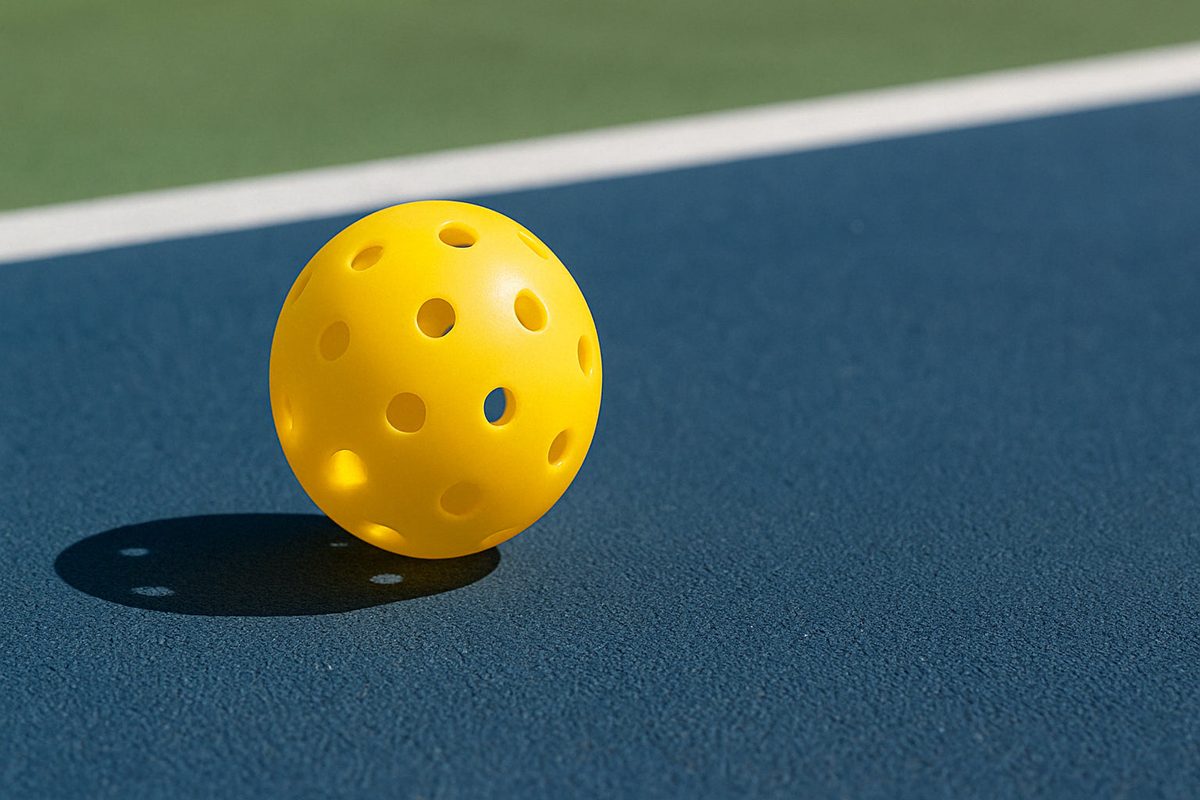
A $60 paddle with fresh, correct balls plays better than a $200 paddle with dead ones. Outdoors, the Franklin X-40 is the standard — true bounce, consistent flight, around $30 for a 12-pack. The ONIX Dura Fast 40 is the faster tournament ball if your group plays at pace.
Replace balls when they go soft or out-of-round. A cracked or soft ball makes every paddle feel dead, and beginners often blame the paddle for what the ball is doing.
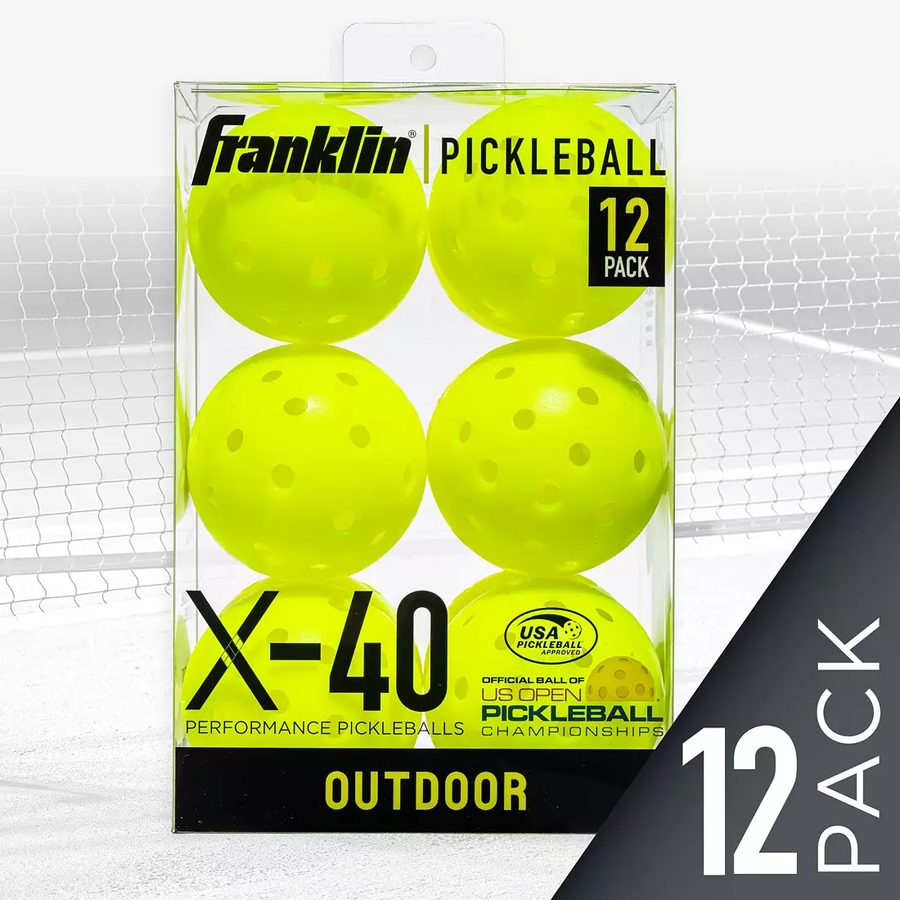
Best outdoor ball — the club standard
Franklin Sports X-40 Outdoor Pickleballs (12-pack)
40 holes · Seamless one-piece · USA Pickleball approved
- + True, consistent bounce outdoors
- + Official ball of the US Open
- − Cracks in cold weather — keep spares
Typical price: ≈ $30
Check price on Amazon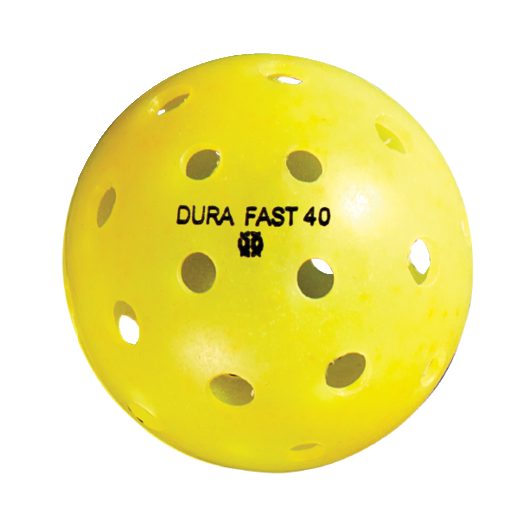
Best fast tournament ball
ONIX Dura Fast 40 Outdoor Pickleballs (4-pack)
40 holes · Roto-molded seamless · Tournament ball
- + The fastest-playing classic outdoor ball
- + Used in more pro events than any other
- − Goes soft and out-of-round faster than the X-40
Typical price: ≈ $13
Check price on AmazonThe $100 starter kit math
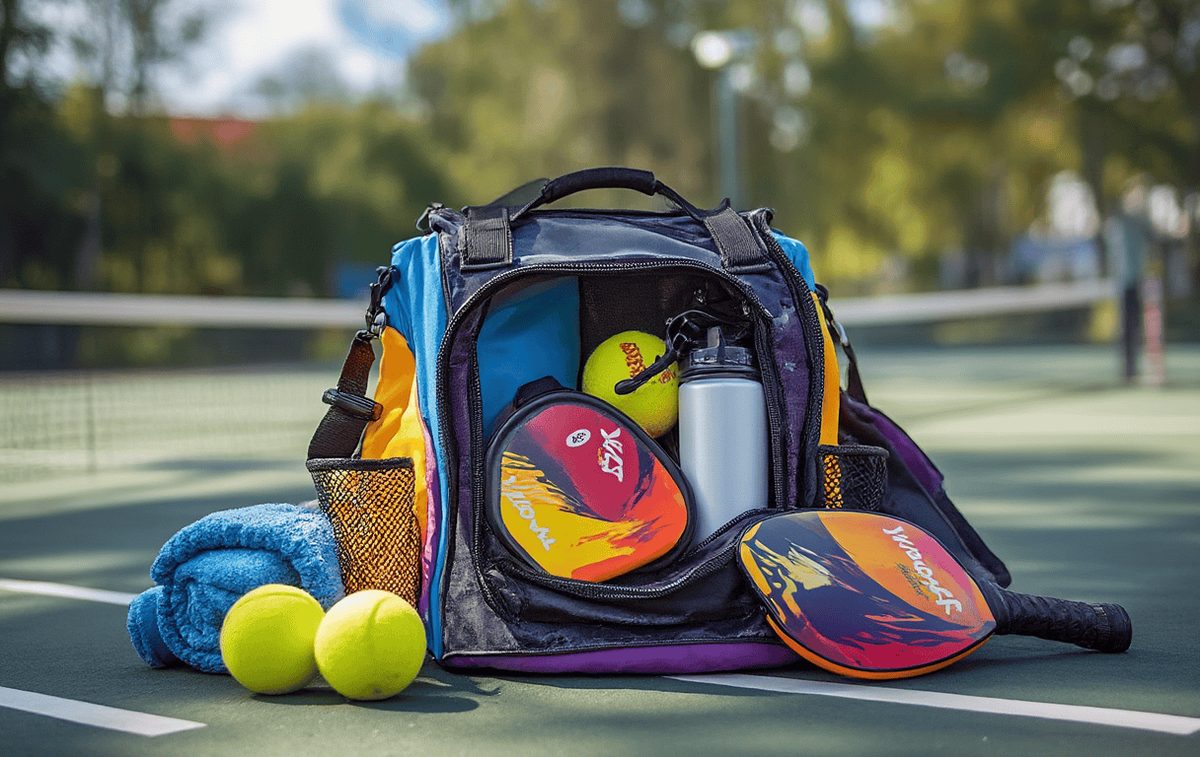
Here's how $100 actually breaks down for a new player. Paddle: Evo Hybrid Max, around $60. Balls: a 3-pack of X-40s, around $10. That leaves $30 — spend it on court shoes if you don't own any, or bank it toward your next paddle.
What not to buy yet: a $60 bag, a $40 paddle cover, premium overgrips. A tote bag and the cover that comes with your paddle will do until you know you're playing every week.
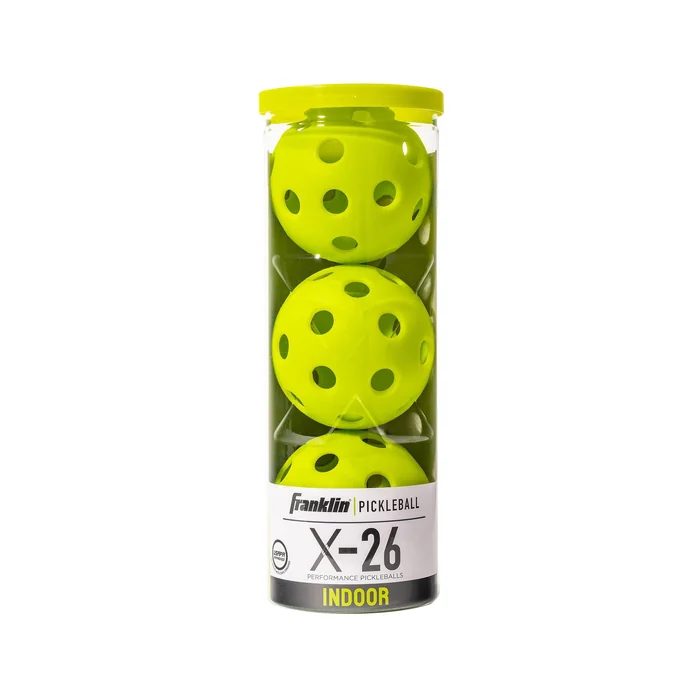
Best indoor ball
Franklin Sports X-26 Indoor Pickleballs (12-pack)
26 larger holes · 26 g · Built for gym floors
- + Lighter, slower — suits indoor rallies
- + Easy to see under gym lights
- − Useless outdoors — wind pushes it around
Typical price: budget
Check price on Amazon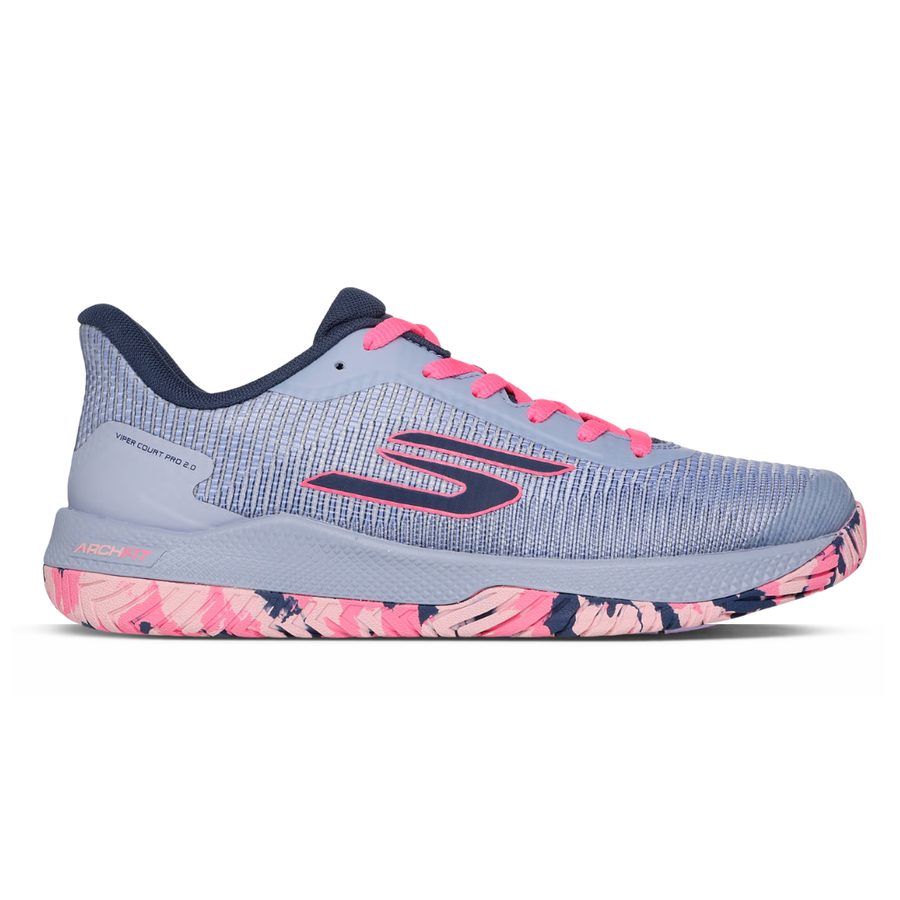
Best court shoe for pickleball
Skechers Viper Court Pro 2.0
Arch Fit insole · Goodyear rubber outsole · Court-specific
- + Built for lateral stops, not running
- + Arch Fit support holds up in long sessions
- − Runs slightly narrow — try a half size up if unsure
Typical price: ≈ $100
Check price on AmazonOur verdict and your upgrade path
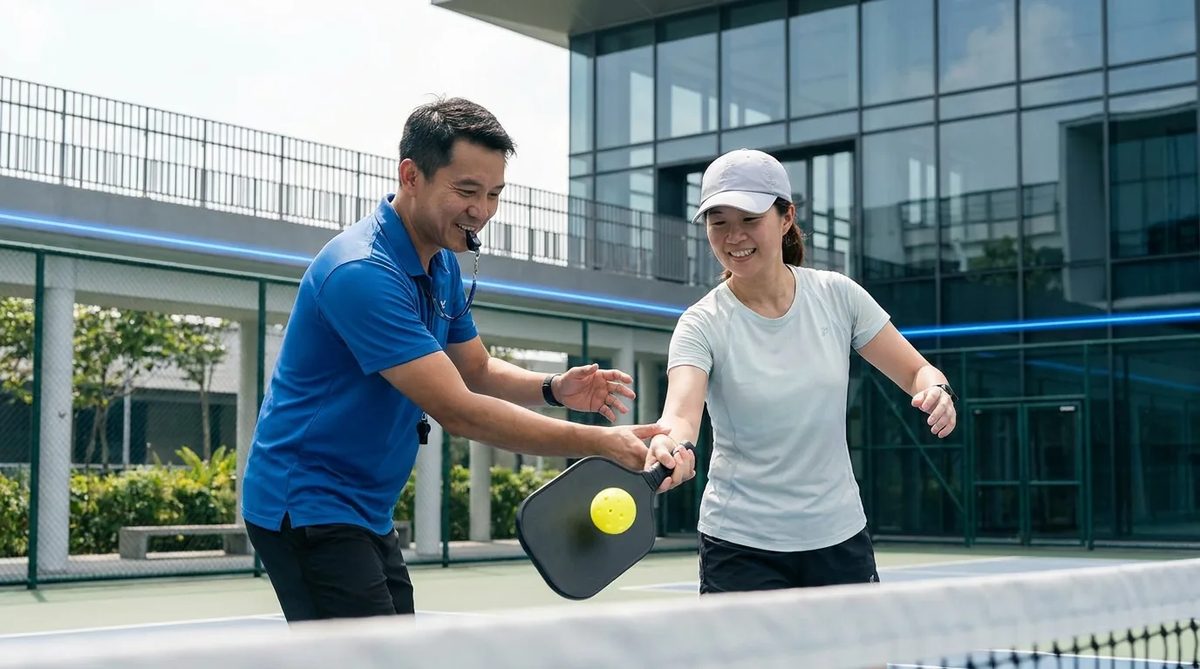
If we had to pick one paddle under $100, it's the Selkirk SLK Evo Hybrid Max — the best blend of weight, forgiveness and build quality at the price. The HEAD Radical Elite is the pick for power players, and the Franklin Signature Carbon is the pick for spin.
And when you're ready to upgrade? The two paddles most players move to are the JOOLA Hyperion CFS 16 for all-court play and the Paddletek Bantam EX-L for control. Buy the Evo now, play for six months, and you'll know which direction your game is heading.
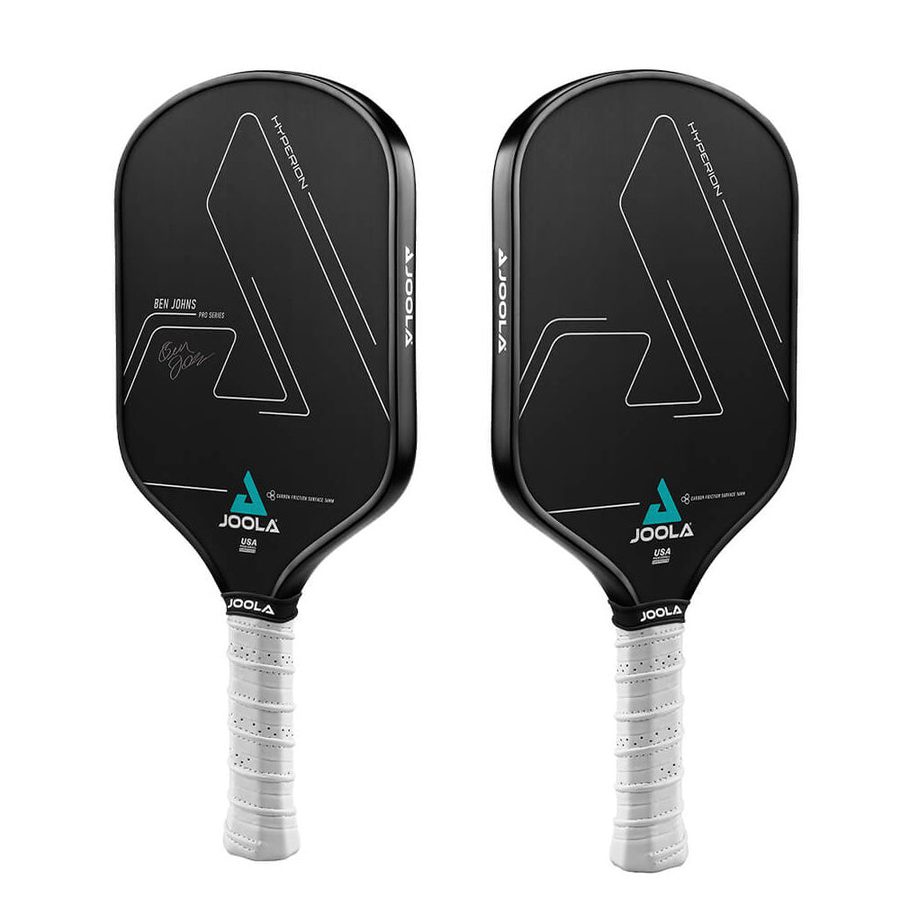
Best overall — won't outgrow it
JOOLA Ben Johns Hyperion CFS 16
16 mm core · Carbon Friction Surface · 8.0–8.4 oz
- + Huge sweet spot, easy power
- + 16 mm core forgives mishits
- − Premium price for a first paddle
Typical price: premium
Check price on Amazon
Best for control-first players
Paddletek Bantam EX-L
12.7 mm Bantam PolyCore · Polycarbonate face · 7.8–8.4 oz
- + Superb touch and reset game
- + Quiet, soft feel off the face
- − You supply the power yourself
Typical price: premium
Check price on AmazonFrequently asked questions
What is the best pickleball paddle under $100?
The Selkirk SLK Evo Hybrid Max is our top pick under $100 — light, forgiving and around $60. For power, the HEAD Radical Elite at around $50 is the best value.
Can you get a good paddle for under $50?
Yes, but your options narrow. The HEAD Radical Elite at around $50 is the best single paddle at that price, and two-player sets like the niupipo fiberglass set work out under $30 per player.
Are carbon paddles available under $100?
Yes. Franklin's Signature Carbon Series brings a real T700 carbon face to the mid-range. The trade-off is usually a thinner 13 mm core to hit the price.
Is a $60 paddle good enough for regular play?
Absolutely. A $60 paddle from a real brand — Selkirk, JOOLA, HEAD, ONIX — is good enough for club play up to about the 3.5 level. Technique matters far more than paddle price.
What should I avoid when buying a cheap paddle?
Avoid wooden paddles, no-name brands with no warranty, and bundles that pile on accessories to hide a weak paddle. Stick to brands with real customer service.
How long does a sub-$100 paddle last?
Expect 1–2 years of regular recreational play. Fiberglass faces wear a little faster than carbon, and cheaper cores soften sooner — but at this price, replacing a paddle isn't painful.
Should I buy a set or a single paddle under $100?
A set is best if two people are starting together. On your own, a single paddle like the Evo Hybrid Max gives you better quality per dollar.
When should I upgrade from a budget paddle?
When you can name what you want more of — more spin, softer touch, more power — and your current paddle can't give it. For most players that's after 4–6 months of regular play.
As an Amazon Associate, Pickleball Pick earns from qualifying purchases. Our picks are chosen by research, not by commission — see our Affiliate Disclosure.