
Choosing a pickleball paddle feels harder than it should, because the spec sheets are written for people who already know the jargon. This guide explains the five decisions that actually matter — weight, core, face, shape and grip — in plain language, with no assumed knowledge.
By the end you'll be able to walk into any paddle listing, read the specs, and know within a minute whether it's right for you. And if you just want a recommendation, our beginners' guide has the short list.
The short answer
| Weight | Start midweight: 7.5–8.4 oz suits most players |
| Core | 16 mm for control and touch; 13 mm for power and pop |
| Face | Fiberglass = power · Graphite = balance · Carbon = spin |
| Shape | Widebody for forgiveness; elongated for reach and power |
| Grip | 4¼ in is the standard adult size — check with the finger test |
Start with weight — it shapes everything
Paddle weight is the first decision because it affects every shot. Light paddles (under 7.5 oz) are quick at the net and gentle on the arm, but they give up stability — mishits vibrate more and drives need more of your own power. Heavy paddles (over 8.5 oz) hit harder and feel more solid, but they're slower to react with and harder on elbows and shoulders.
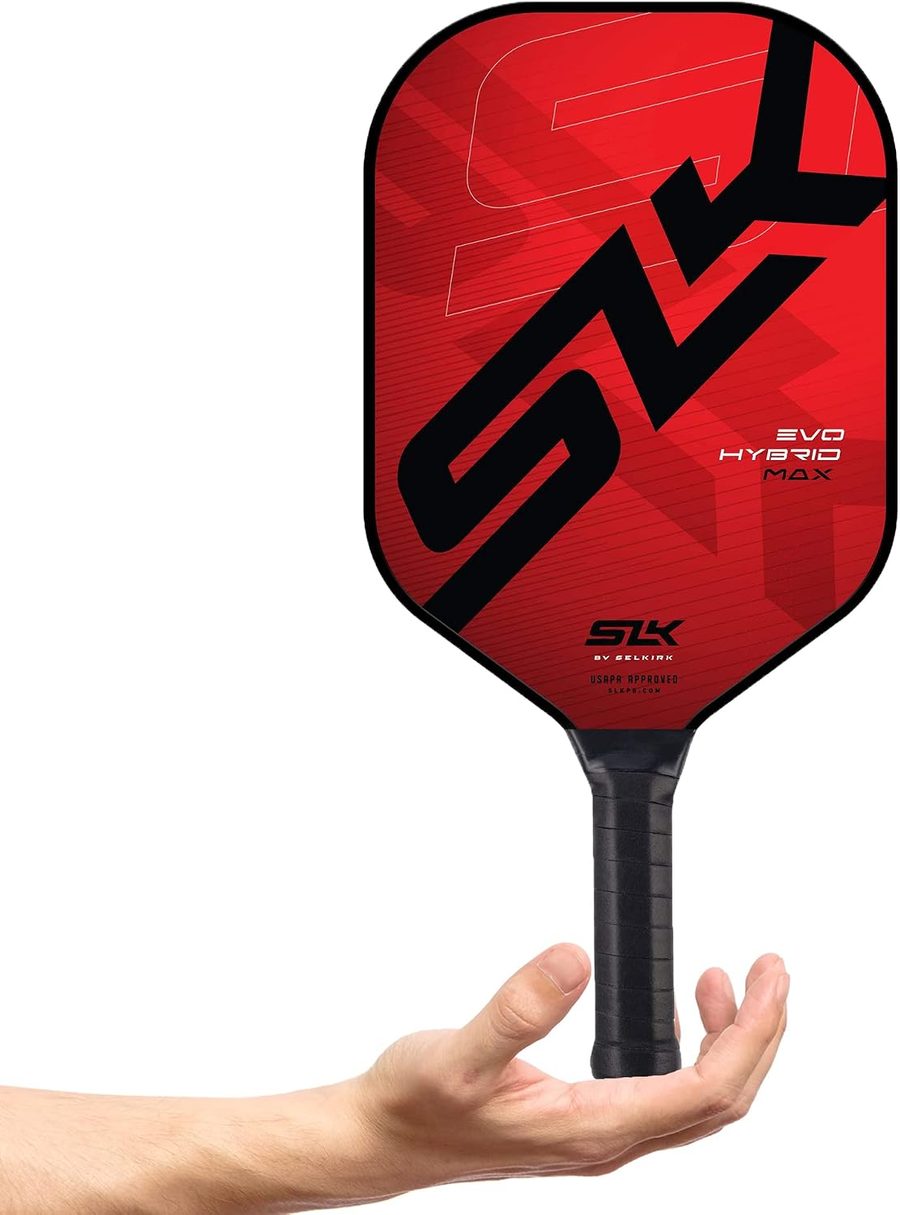
Most players land in the midweight band, 7.5–8.4 oz. It's the right place to start: quick enough for the kitchen, stable enough for drives. The Selkirk Evo Hybrid Max (7.6–8.0 oz) and JOOLA Essentials (8.2 oz) both sit in this band and are good first paddles.
Best value starter paddle
Selkirk SLK Evo Hybrid Max
13 mm Rev-Hybrid core · C7-Flex fiberglass · 7.6–8.0 oz
- + Light, easy power, big sweet spot
- + Selkirk build quality at a low price
- − 13 mm core is livelier — less soft touch
Typical price: ≈ $60
Check price on Amazon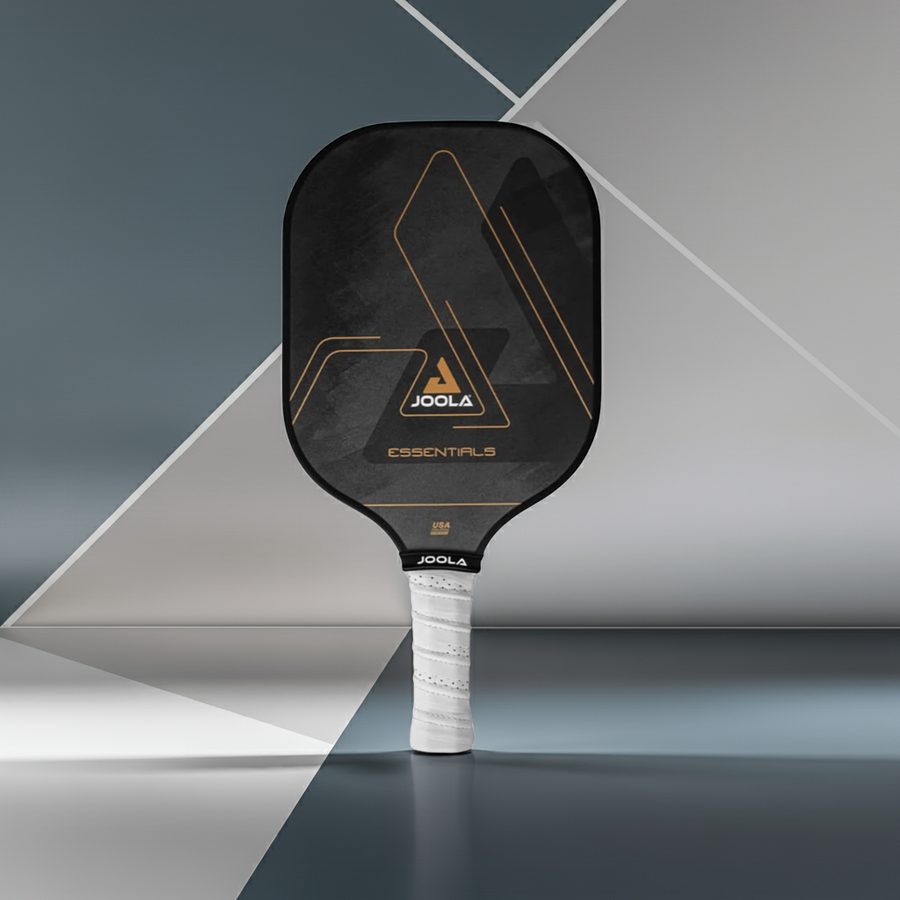
Best first paddle, no fuss
JOOLA Essentials
12 mm core · Reinforced fiberglass face · 8.2 oz
- + Forgiving and easy from day one
- + JOOLA quality at entry price
- − Serious players will outgrow it within a year
Typical price: budget
Check price on AmazonCore thickness: 13 mm vs 14 mm vs 16 mm
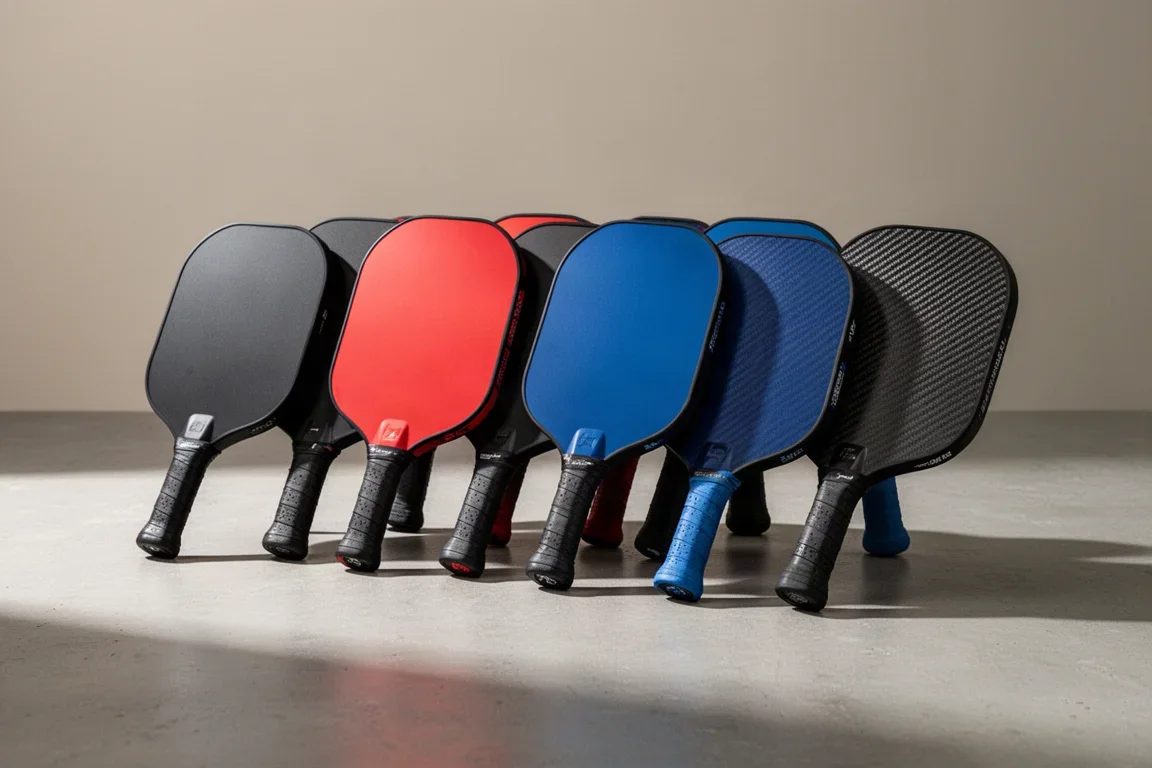
The core is the honeycomb middle of the paddle, and its thickness is the biggest single feel decision. A 16 mm core is soft and forgiving: the ball stays on the face a fraction longer, which gives you touch, control and a bigger effective sweet spot. A 13 mm core is firmer and livelier: more pop, faster hands, less margin for error. 14 mm splits the difference.
Beginners usually do best starting at 16 mm — the forgiveness is worth more than the pop while your technique is developing. Players coming from tennis or squash often prefer 13 mm because the livelier response feels familiar.
Face material: fiberglass, graphite, carbon
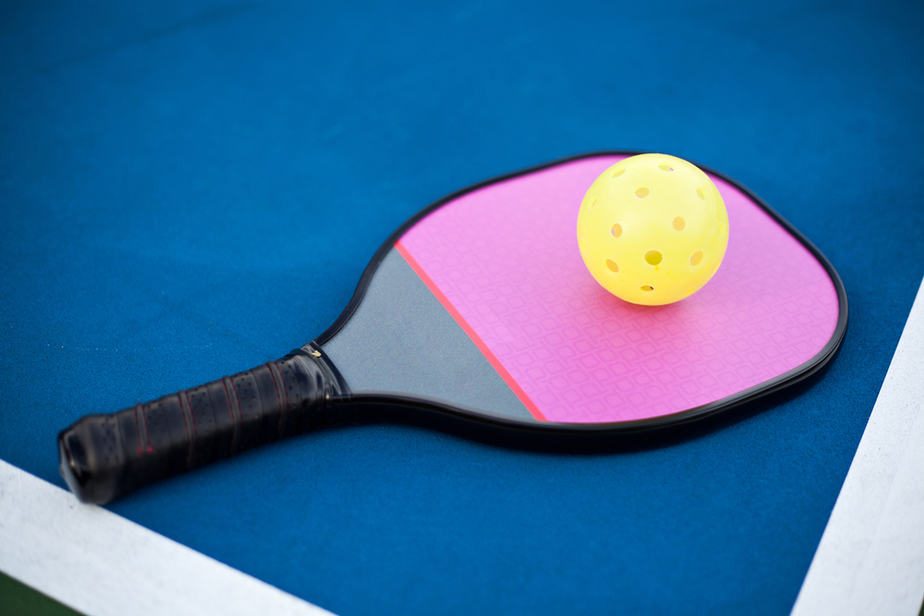
The face is the hitting surface, and its material sets the paddle's personality. Fiberglass is the most powerful and the most forgiving — the ball jumps off the face, which makes serves and drives easy. Graphite is the balanced middle: crisp, quick and controlled, with a slightly firmer feel. Carbon fiber (including raw and textured carbon) is the spin and touch option: the most connected feel, the best grip on the ball, the least free power.
Price follows the same order: fiberglass is cheapest, carbon is dearest — though carbon faces have become much more affordable in the last two years. For a first paddle, fiberglass or graphite is the sensible choice; carbon is the upgrade to make once you know you want more spin.
Shape: widebody vs elongated
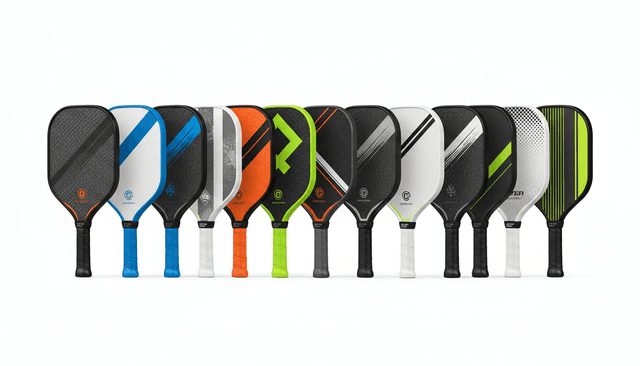
Paddles come in two main shapes. Widebody paddles have a shorter, wider face — a bigger sweet spot, more forgiveness, and a shorter reach. Elongated paddles are longer and narrower — more reach, more leverage for power, and a smaller sweet spot that punishes mishits.
Beginners should start widebody. The forgiveness is worth far more than the extra inch of reach, and most of the best beginner paddles — the Evo Hybrid Max, the Radical Elite, the Halo Control Max — are widebody shapes. Move to elongated when your contact point is consistent and you want more leverage.
Grip size and handle length
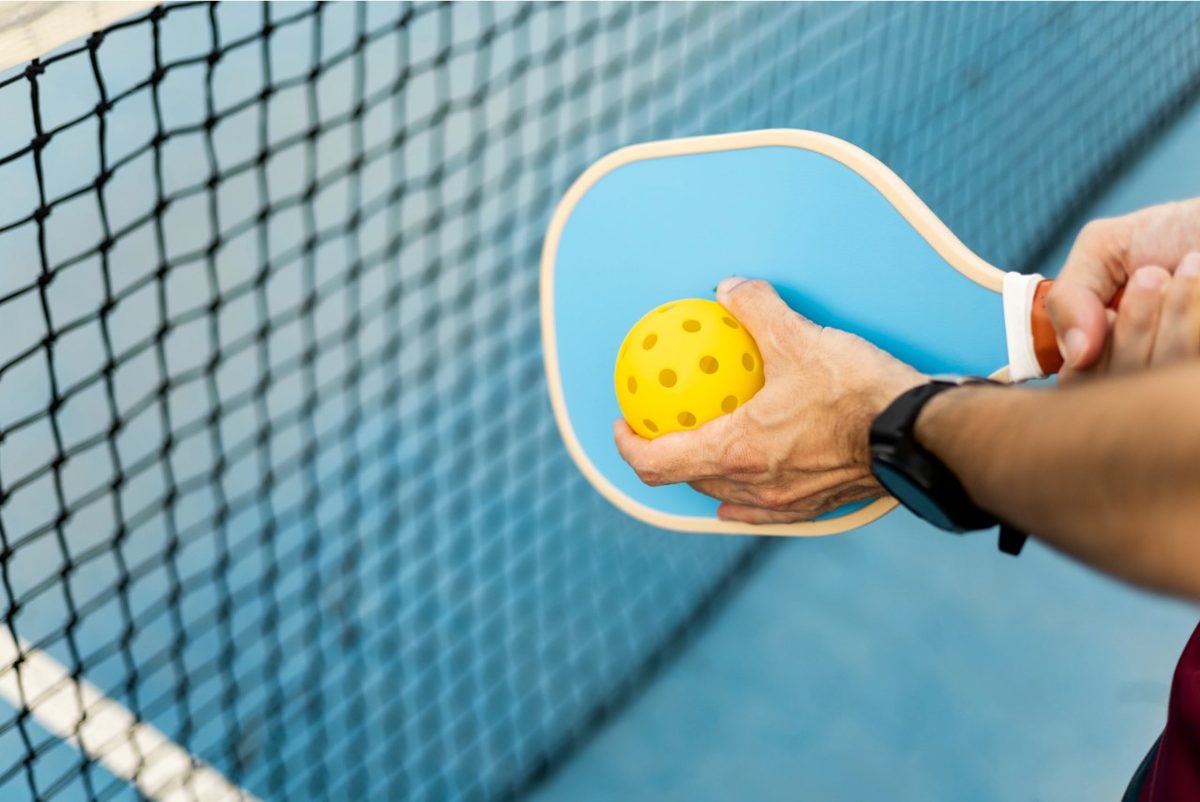
Grip circumference for adults is usually 4 to 4½ inches, with 4¼ the most common. The finger test: hold the paddle, then slide the index finger of your other hand between your fingertips and palm. Snug is right; loose means the grip is too big, tight means too small.
Handle length matters if you play a two-handed backhand — you'll want a 5½-inch handle or longer. Single-handed players can use anything. And remember: an overgrip can make a grip bigger, but nothing makes it smaller, so when in doubt buy the smaller size.
Swingweight and balance
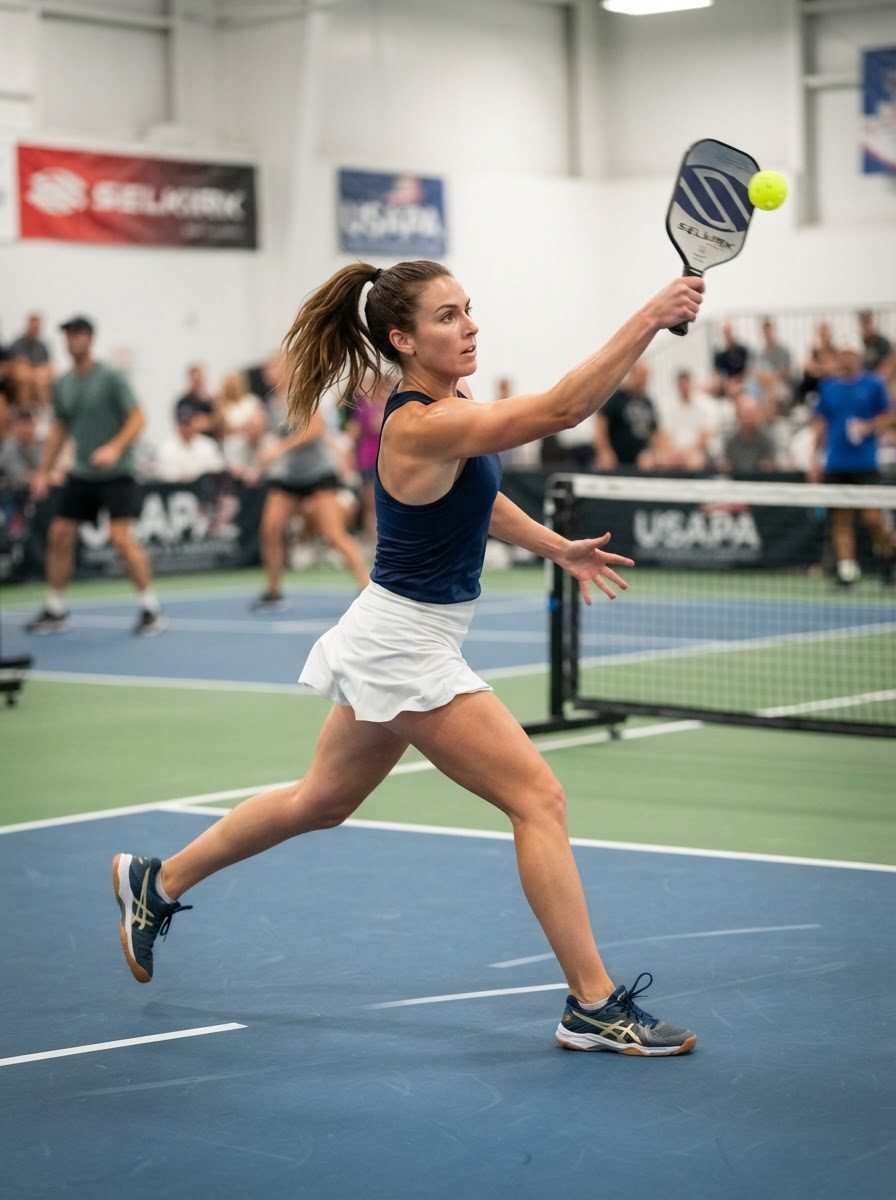
Swingweight is how heavy a paddle feels when you swing it — and it's not the same as the weight on the scale. A paddle with weight toward the head feels heavier and hits harder; a paddle with weight toward the handle feels quicker and more maneuverable.
Manufacturers rarely publish swingweight, so the practical test is the demo: swing the paddle like you're hitting a backhand reset. If it feels slow coming through, it's head-heavy for you. Most beginner-friendly paddles are handle-balanced or evenly balanced for exactly this reason.
Sweet spot vs power: the real trade-off
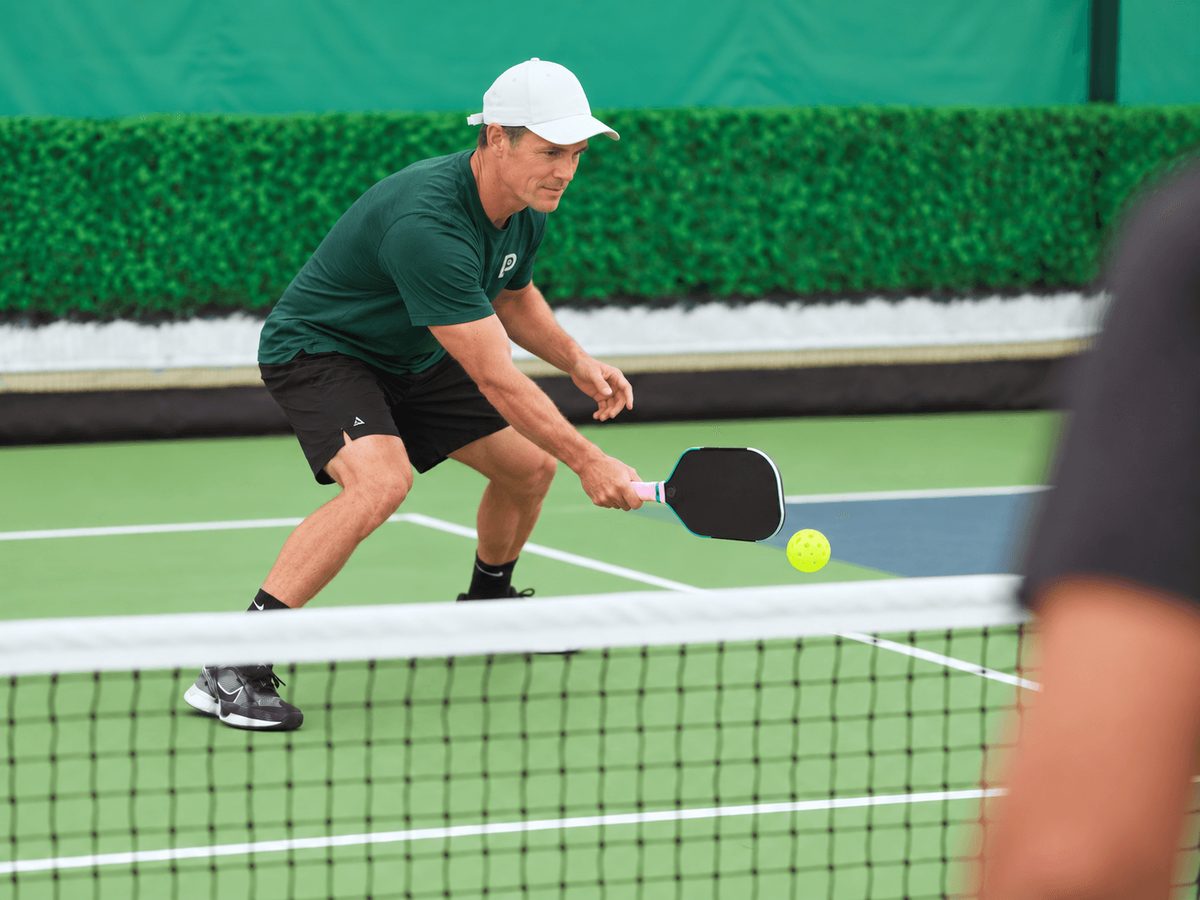
Every paddle trades sweet spot against power. A big sweet spot means off-center hits still go where you aimed; a powerful paddle means centered hits go faster. Beginners need the sweet spot far more than the power — your contact point isn't consistent yet, and a paddle that forgives mishits will keep more rallies alive.
This is why 16 mm cores, widebody shapes and fiberglass faces dominate beginner recommendations: they all widen the sweet spot. Power is easy to add later with technique; forgiveness is built into the paddle.
The beginner's decision tree
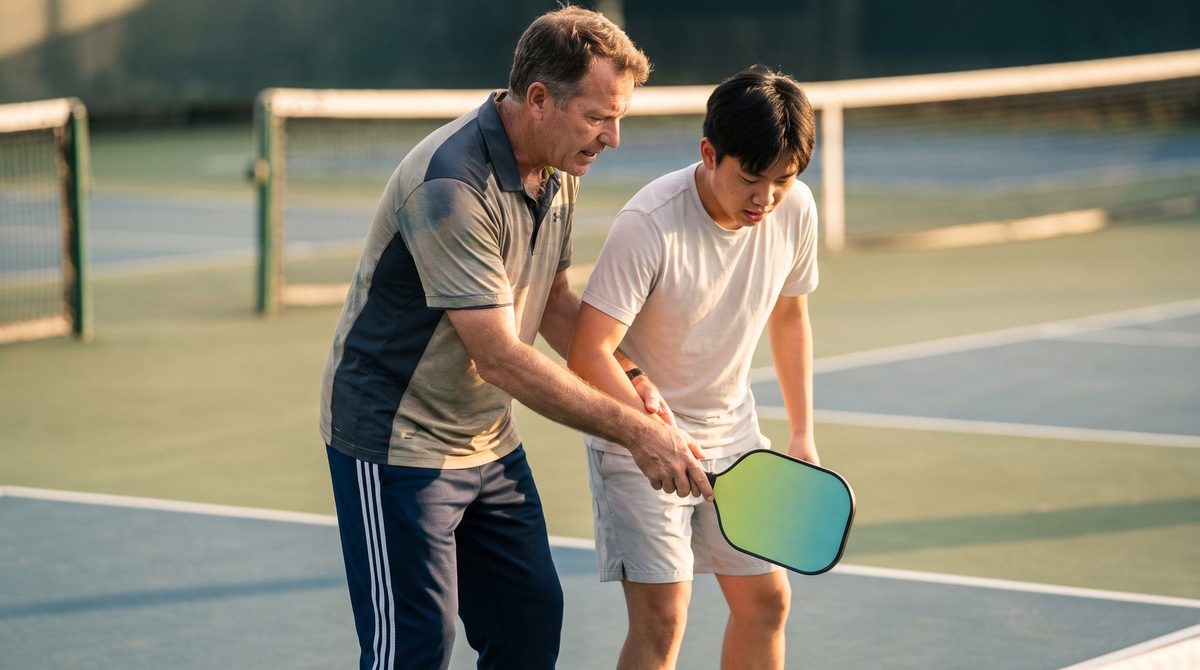
If you want the short version: start midweight (7.5–8.4 oz), 16 mm core, widebody shape, fiberglass or graphite face, 4¼-inch grip. That combination suits the large majority of new players, and it's what most of our recommended beginner paddles offer.
Adjust from there: coming from tennis and want pace? Go 13 mm. Sore elbow? Go lighter and softer. Tall with long arms? Try elongated sooner. Small hands? Check the 4-inch grip options. One change at a time — change everything at once and you'll never know what helped.
What about price?
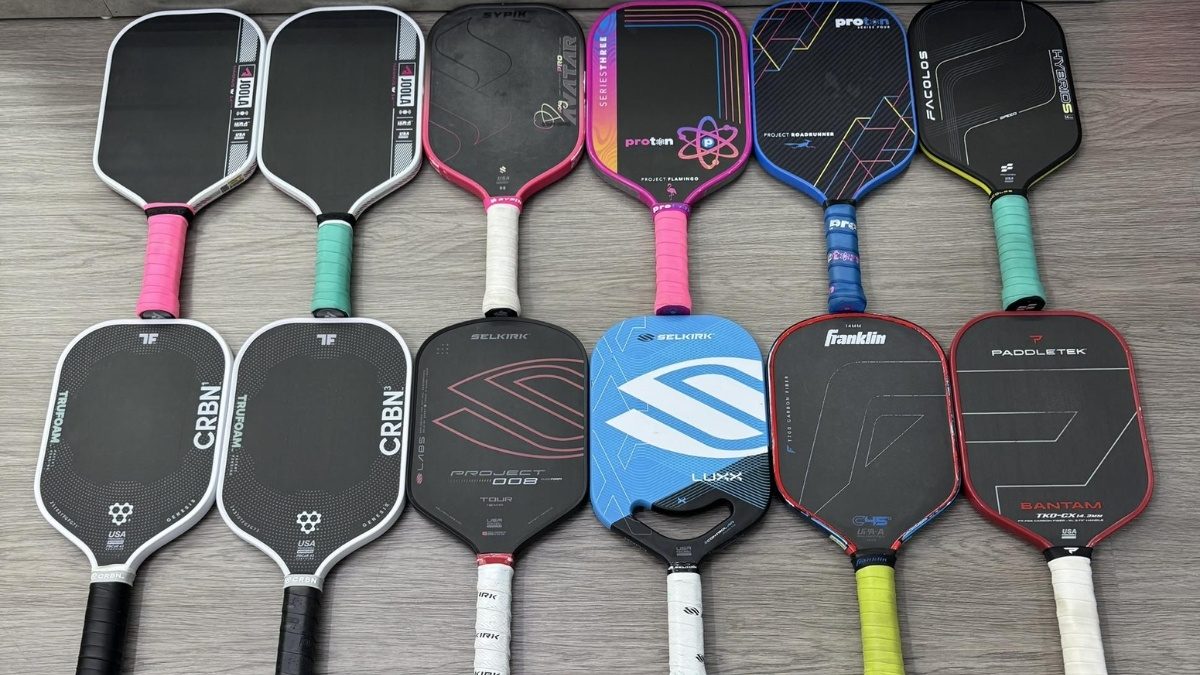
A good first paddle costs $50–$100, and the difference between a $60 paddle and a $160 paddle is mostly feel, not quality. Expensive paddles use carbon faces, thermoformed cores and tighter quality control — real differences, but ones that matter most once your technique is consistent.
Our advice: spend $60–$90 on your first paddle, play for six months, then spend real money on the second one — when you actually know what you want. The ONIX Z5 and the Selkirk Halo Control Max are good examples of the two ends of that journey.
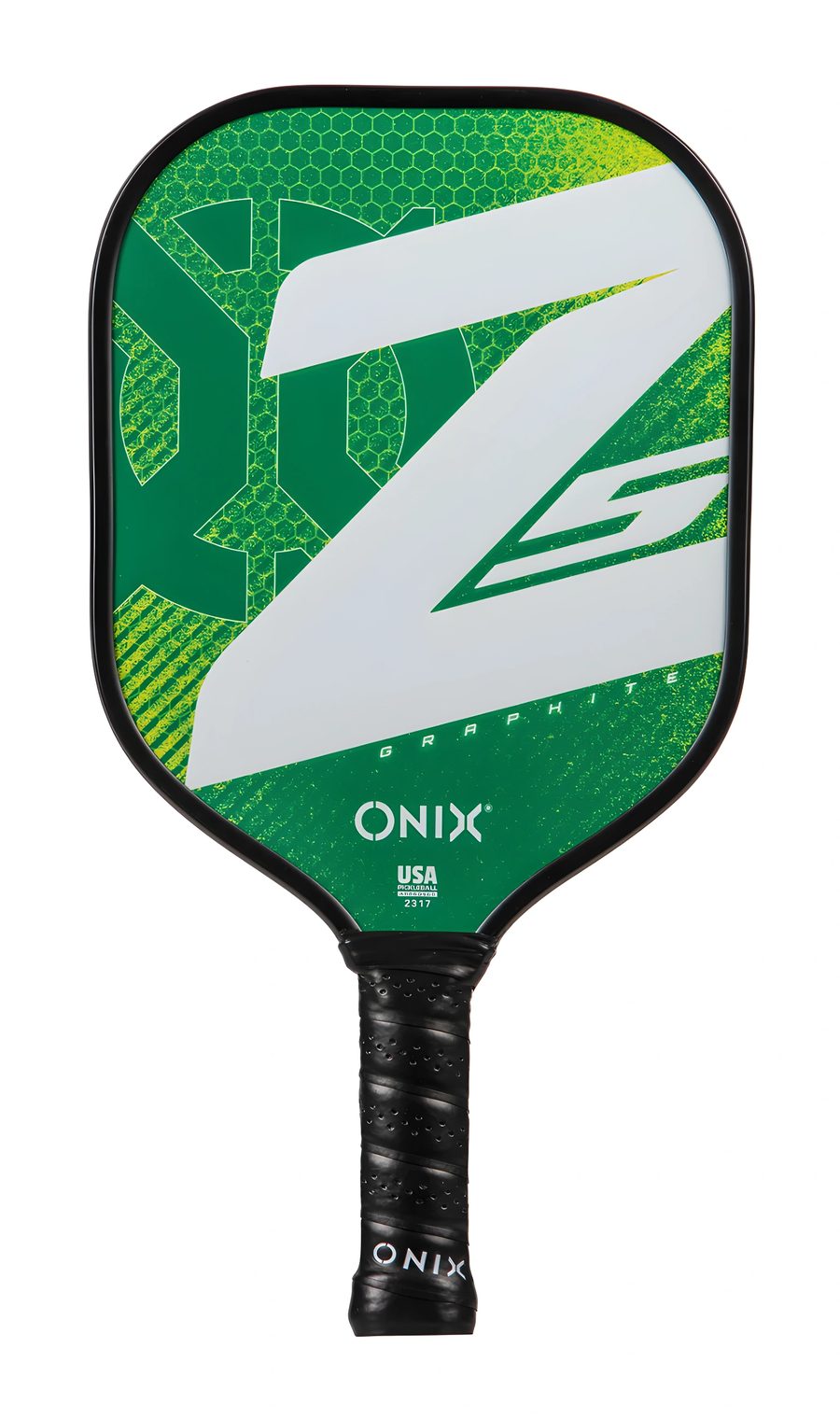
Best classic graphite paddle
ONIX Graphite Z5
Nomex honeycomb core · Graphite face · 7.5–8.2 oz
- + A decade of club-court trust
- + Crisp, light, quick hands
- − Louder, firmer feel than polymer cores
Typical price: ≈ $90
Check price on Amazon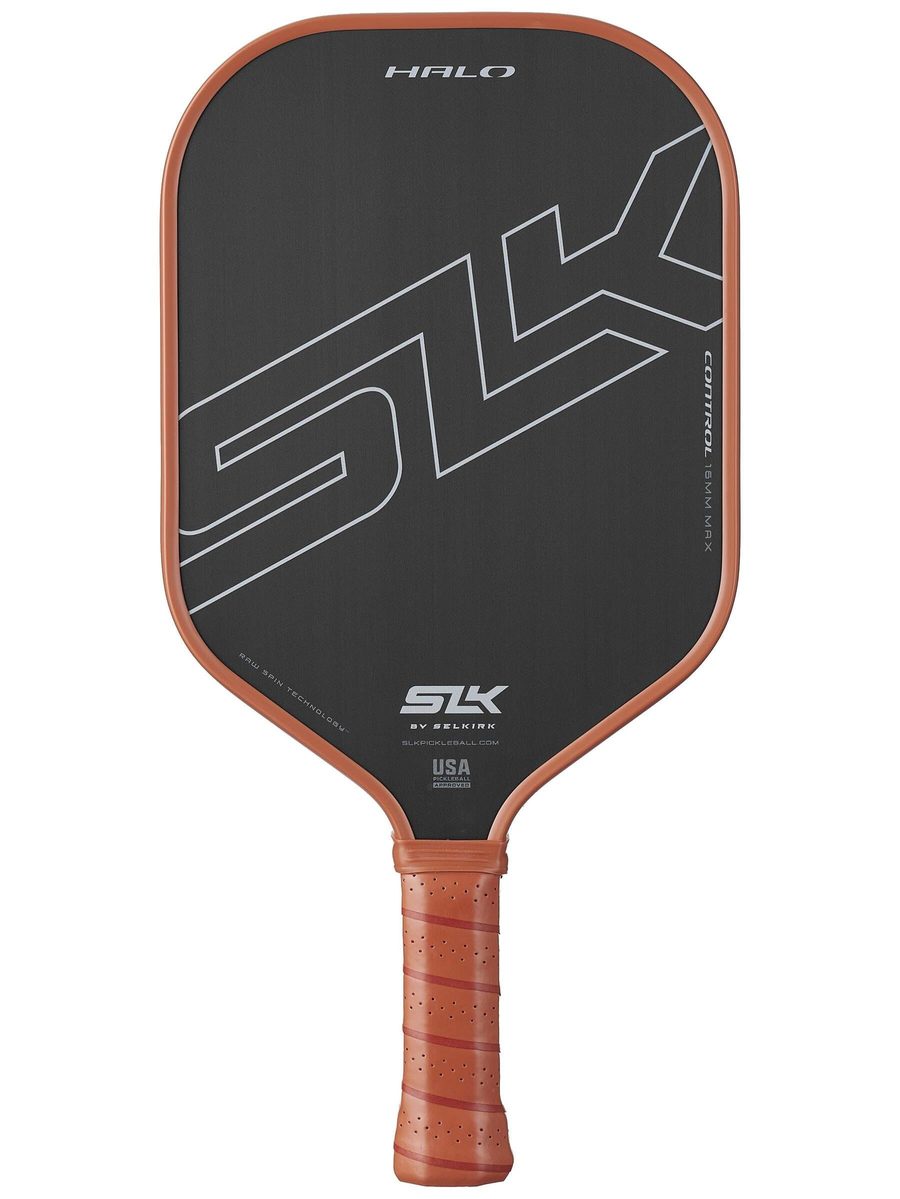
Best control feel
Selkirk SLK Halo Control Max
16 mm Rev-Control core · Raw carbon face · Max shape
- + Soft, predictable touch at the net
- + Raw carbon adds real spin
- − Less free power than fiberglass faces
Typical price: ≈ $150
Check price on AmazonTry before you buy
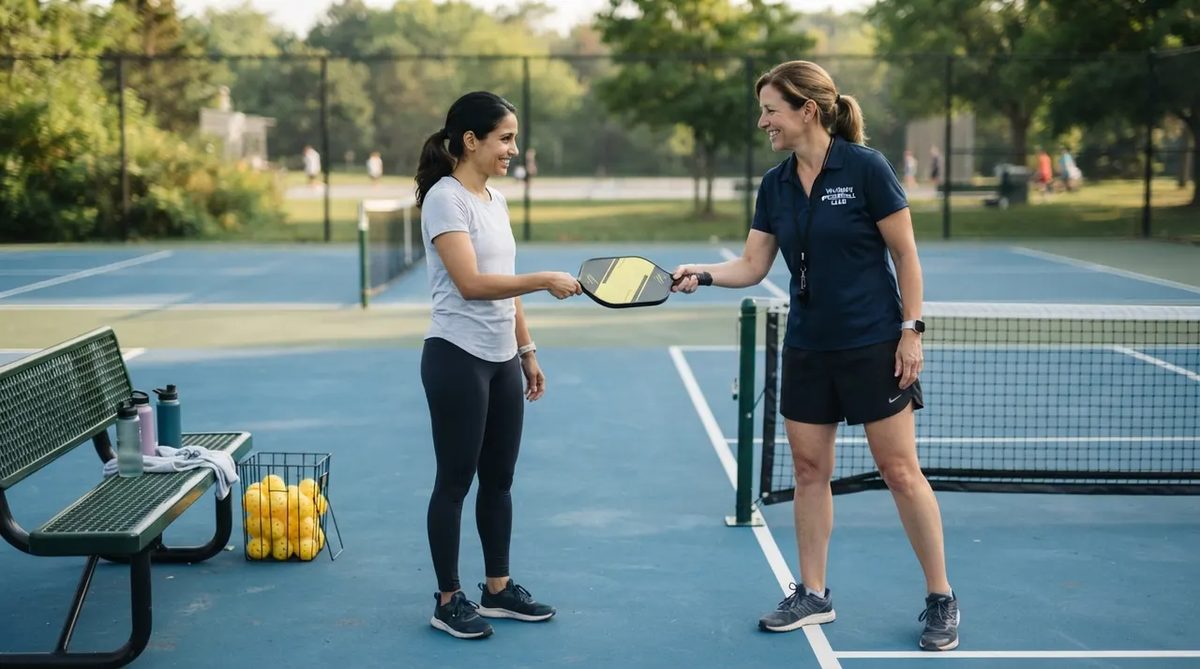
Specs get you 80% of the way; the last 20% is feel, and feel needs a demo. Most clubs have loaner paddles — ask to hit with a few different weights and cores for ten minutes each. Many retailers and brands also run demo programs with a small deposit.
When you demo, hit the shots you actually play: serves, returns, dinks and one overhead. A paddle that feels great on drives but dead on dinks is telling you something. And bring your own balls — a dead ball makes every paddle feel wrong.
Frequently asked questions
What weight pickleball paddle should a beginner choose?
Start midweight, 7.5–8.4 oz. It's quick enough for the net game and stable enough for drives, and it suits most adults. Go lighter if you have elbow or shoulder trouble.
Is a 16 mm or 13 mm core better for beginners?
16 mm is better for most beginners — softer, more forgiving, bigger sweet spot. 13 mm suits players coming from tennis who want a livelier response.
What is the best paddle face material for beginners?
Fiberglass for easy power, graphite for balance. Carbon is the spin option and usually costs more. All three work for beginners; face material is a feel choice, not a quality ranking.
What grip size do I need?
Most adults use 4¼ inches. Use the finger test: your other index finger should fit snugly between your fingertips and palm when you hold the paddle.
Widebody or elongated paddle for a beginner?
Widebody. The bigger sweet spot forgives mishits, which matters more than the extra reach of an elongated paddle while your contact point is still developing.
How much should I spend on my first paddle?
$50–$100 gets a genuinely good paddle from a real brand. Spend more only when you know what you want from your second paddle.
Do I need a USA Pickleball approved paddle?
Only for sanctioned tournaments. For club and casual play it doesn't matter — but approved paddles are the norm, so it's rarely a deciding factor.
Can I use one paddle for indoor and outdoor play?
Yes — paddles don't change between indoor and outdoor. The balls change, not the paddle.
As an Amazon Associate, Pickleball Pick earns from qualifying purchases. Our picks are chosen by research, not by commission — see our Affiliate Disclosure.